
How the LinkedIn Algorithm Works
Understand the signals that drive LinkedIn reach in 2025 — and how to create content that the algorithm consistently puts in front of more people.
Start FreeFree to start. See plans and pricing
See what Zvario creates
Branded carousels, graphics, and posts, tailored to your message.



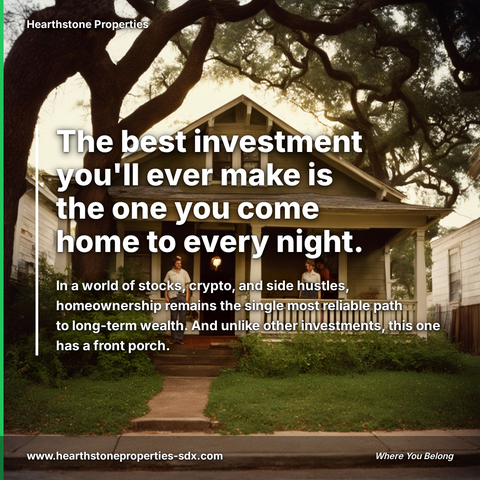
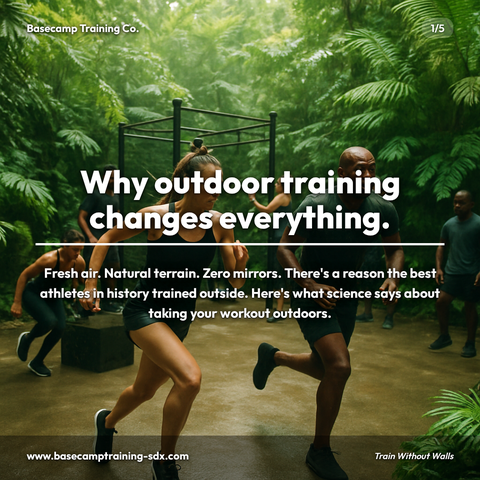
Carousels
5-slide branded PDF, ready to post on LinkedIn and social media.
Branded Graphics
Single eye-catching image with your brand colors and message.
Text Posts
Thought leadership copy, ready to paste and publish.
What is The LinkedIn Algorithm social media content?
Social media content for The LinkedIn Algorithm refers to strategically crafted posts designed to trigger the signals that determine reach, engagement, and visibility on LinkedIn's feed, including dwell time, comment velocity, share rate, and profile visits. For professionals and content creators, mastering these signals directly impacts career advancement, client acquisition, and thought leadership authority. LinkedIn carousels take a reader from question to answer without losing them, making format selection critical. Effective algorithmic content uses pause points to extend swipe-through time, publishes during peak hours when target decision-makers are active (Tuesday-Thursday mornings), and sparks early comments through strategic questions or controversial insights. Building a comment response system that engages within 15 minutes compounds initial momentum and signals quality to the algorithm. Tools like Zvario streamline this process by generating algorithm-optimized content variations from a single topic in seconds, allowing creators to test multiple angles without sacrificing consistency or strategy.
Engagement velocity is the primary signal
LinkedIn measures engagement velocity — how quickly your post receives likes, comments, and shares in the first 30 to 60 minutes after publishing. Early engagement signals the algorithm that your content is valuable, triggering distribution to secondary audiences beyond your immediate network. The implication: post when your audience is most active, and respond to comments within the first hour to compound the effect.
Dwell time rewards carousel and long-form content
LinkedIn's algorithm tracks how long users spend with your content, prioritizing formats that maximize this metric. Carousel posts that require swiping through multiple slides generate significantly more dwell time than static images, which is why document posts consistently outperform other formats for organic reach. Long-form text posts also benefit from the 'see more' click, which extends tracked engagement time and signals sustained interest to the algorithm.
Profile credibility and network density influence distribution
The algorithm weighs your profile authority when deciding how far to distribute your content. Accounts with complete profiles, consistent posting history, and engaged followers receive preferential treatment in the feed. Additionally, LinkedIn rewards posts that generate engagement from users within your second and third-degree network — meaning a comment from someone outside your immediate circle carries more algorithmic weight than comments from existing connections.
Comment quality matters more than comment volume
Not all comments are equal in LinkedIn's algorithm. Substantive comments that spark conversation (replies to replies) signal deeper engagement and receive higher algorithmic value than simple emoji reactions or one-word responses. The algorithm also tracks whether commenters have engaged with your previous posts, meaning building a core audience of repeat engagers compounds your reach over time and improves your visibility in their networks.
Content relevance and keyword optimization shape secondary distribution
LinkedIn uses natural language processing to match your content with users' interests, job titles, and past engagement patterns. Including relevant industry keywords, job titles, and skill mentions in your post increases the likelihood of appearing in feeds of users who follow or engage with similar topics. However, keyword stuffing triggers algorithmic penalties, so strategic mentions that fit naturally within your narrative are more effective than forced optimization.
What you can create
- Publishing carousel posts on industry trends with strategic pause points to maximize swipe-through dwell time
- Scheduling thought leadership long-form posts for 8 AM Tuesday-Thursday when your target role (director, VP, C-suite) scrolls LinkedIn
- Creating a comment response template system to reply to early engagement within 15 minutes, compounding initial velocity
- Building a content calendar that alternates between original insights and curated industry news to maintain posting consistency without burnout
- Developing a 'second-degree engagement' strategy that tags relevant connections and thought leaders to drive comments from outside your immediate network
- A/B testing post hooks against your actual audience data to identify which opening lines generate fastest early engagement
- Batching weekly video snippets with captions to capture dwell time from both audio-on and scrolling-silently viewers
- Creating a weekly newsletter recap post that summarizes your best-performing content, signaling authority while driving dwell time through the 'see more' expansion
Sample topics to get started
Frequently asked questions
Does posting frequency affect LinkedIn algorithm performance?
Consistency matters more than frequency. Posting three to four times per week consistently outperforms posting daily for two weeks then disappearing. The algorithm favors accounts that maintain regular activity over those that post in bursts. Use a content calendar tool like Zvario to plan your posting schedule in advance and maintain predictable cadence without overcommitting.
Does the LinkedIn algorithm penalize external links?
LinkedIn limits distribution of posts with external links in the post body. If you need to share a link, put it in the first comment rather than the post itself. This workaround is widely practiced and generally effective for maintaining organic reach while still directing traffic. Zvario helps you pre-draft these first comments so they're ready to post immediately after your main content publishes.
How does the algorithm decide which comments to surface first?
LinkedIn surfaces comments based on engagement quality, commenter authority, and conversation depth. A reply to a reply receives more visibility than a single-line comment, and comments from users with engaged networks carry more weight. The algorithm also prioritizes comments from users who've previously engaged with your posts, which is why building a recurring audience is critical to maintaining visibility.
What's the optimal time to post on LinkedIn for algorithm reach?
The optimal time depends on your audience's behavior, which varies by industry and role. Generally, Tuesday through Thursday between 7-10 AM and 12-2 PM see high engagement velocity. However, your specific audience may differ — use Zvario's analytics to track when your audience is most active and when your posts historically receive engagement in the first 60 minutes, then schedule accordingly.
Can Zvario help me optimize for engagement velocity and dwell time?
Yes. Zvario allows you to schedule posts for optimal times based on your audience data, draft comment responses in advance to reply within the critical first hour, and test different content formats to identify which carousels and long-form posts generate the highest dwell time for your specific brand. You can also track early engagement metrics to refine your posting strategy over time.
What is the fastest way to create content on this topic?
Enter the topic and Zvario returns a finished, branded carousel, graphic, or post in about a minute. You review, adjust wording if you want, and publish.
Is there a free way to try it?
Yes. Zvario gives you 5 free creations with no credit card. Ongoing use is $19.95 a month on Starter for up to 80 creations a week, or $39.99 a month on Pro for up to 130 plus one-click posting.
Explore More
Create algorithm-friendly LinkedIn content consistently
Try it free — no credit card needed.
Start FreeFree to start. See plans and pricing