
LinkedIn Content for Architects
LinkedIn content that builds your architectural reputation and attracts the clients and collaborators who value design excellence.
Start FreeFree to start. See plans and pricing
See what Zvario creates
Branded carousels, graphics, and posts, tailored to your message.
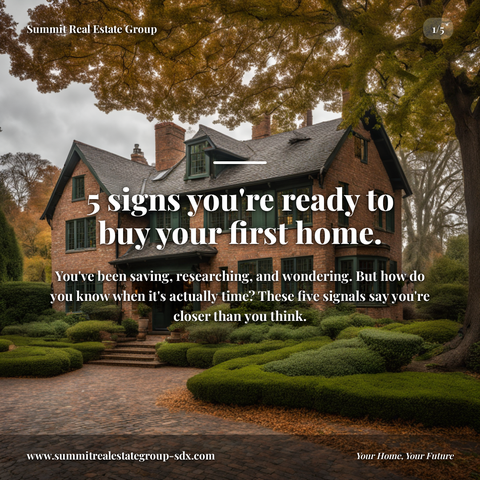
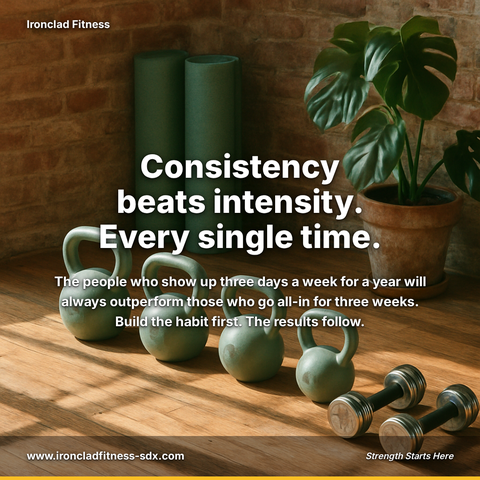
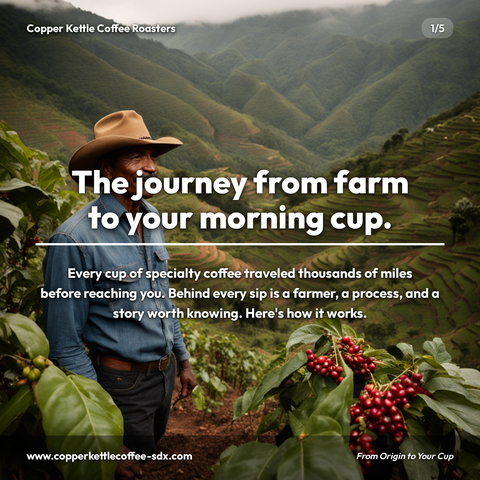
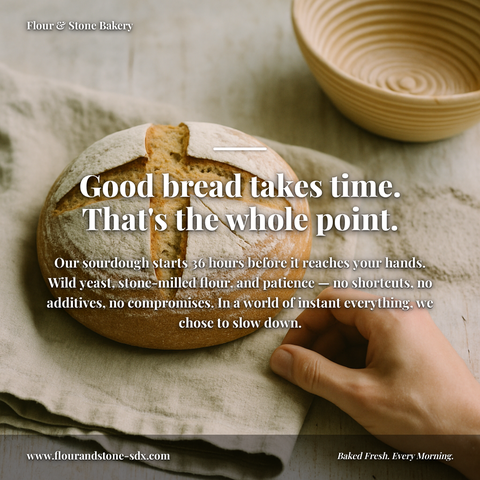



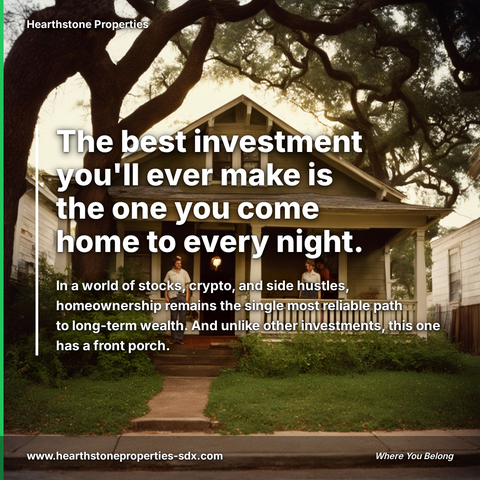

Carousels
5-slide branded PDF, ready to post on LinkedIn and social media.
Branded Graphics
Single eye-catching image with your brand colors and message.
Text Posts
Thought leadership copy, ready to paste and publish.
What is Architects social media content?
Social media content for Architects refers to LinkedIn posts that showcase design expertise, project methodology, and technical decision-making to establish authority and attract high-value clients and collaborators. This matters because architects compete on reputation and demonstrated excellence, prospects evaluate your work quality and problem-solving approach before engaging, making strategic content essential for differentiating your practice and building trust at scale. Effective architectural content includes design decision carousels breaking down schematic versus design development iterations with material and cost implications, building type expertise series featuring typology-specific case studies, and sustainable design breakdowns explaining passive strategies and post-occupancy performance metrics. LinkedIn carousels keep the point moving from one slide to the next, making them the ideal format for technical architectural narratives. Zvario generates this content in under 2 minutes from a single topic, transforming your project knowledge into polished, engagement-driving posts that position your practice as a thought leader in design excellence.
Architecture Clients Commission Firms Whose Philosophy They Understand and Share
Developers, corporate clients, and institutional owners who commission architecture work are choosing based on aesthetic compatibility, programmatic expertise, and design philosophy — not just portfolio size. Social content that articulates your design thinking, material palette preferences, and approach to specific building typologies builds the pre-qualification that makes your proposal the one clients want to win. When your feed demonstrates how you solve the constraints your ideal clients face — whether that's adaptive reuse, mixed-use density, or net-zero performance — you're already three conversations ahead before the RFP arrives.
Thought Leadership Positions Architects in the Debates That Shape the Profession
Architecture is a profession shaped by public discourse on climate adaptation, urbanism, housing equity, and digital fabrication. Architects who engage thoughtfully with these debates on professional networks build the credibility that generates speaking invitations at conferences, media features in design publications, design award recognition, and the peer reputation that directly influences how clients perceive your firm's relevance. Your position on mass timber construction, transit-oriented development, or the future of office design matters — and broadcasting that position consistently reaches the decision-makers who value architects that think beyond aesthetics.
Lead Generation Through Demonstrated Expertise in Your Building Types
Rather than broadcasting generic portfolio images, architects who create educational content around their specializations — whether healthcare facilities, educational campuses, or hospitality design — attract inbound leads from clients actively searching for that expertise. Content that explains the specific constraints you've solved, the codes you've navigated, and the outcomes you've delivered for similar projects positions your firm as the obvious choice when a prospect needs exactly that typology. This shifts you from competing on price or prior experience to competing on demonstrated mastery.
Relationship Building With Developers, Investors, and Institutional Real Estate Partners
Developers, REITs, and institutional real estate managers operate on different criteria than individual building owners — they think in terms of feasibility, pro forma impact, entitlement strategy, and return on design investment. Content that translates your architectural decisions into their language — showing how massing optimization affects density potential, how material choices impact construction timeline, or how your design approach reduces soft costs — builds trust with the decision-makers who control large-scale commissions. These audiences are already on professional networks, looking for architects who understand their constraints.
Visibility Within Your Professional Community and Design Awards Ecosystem
Architects are evaluated by peers through design competitions, jury selections, speaking opportunities, and publication features. Consistent, substantive content about your process, research, and project outcomes increases the likelihood that other architects, editors, and award program directors encounter your work in their feeds. This visibility feeds the professional reputation that influences both peer referrals and the perception of your firm's market position — which directly impacts how you're positioned in client conversations about your relative standing in the field.
What you can create for Architects
- Design decision carousels breaking down schematic vs. design development iterations with material and cost implications
- Building type expertise series: typology-specific case studies showing how you've solved common programmatic challenges
- Sustainable design breakdowns: explaining passive design strategy, embodied carbon decisions, and actual performance metrics post-occupancy
- Urban design and code navigation posts: how you've worked within zoning constraints to maximize density or preserve neighborhood character
- Material selection deep-dives: comparing performance, durability, maintenance, and lifecycle cost of finishes and structural systems
- Client brief translation posts: showing how you interpret program requirements into spatial solutions across different project scales
- Design award submissions documentation: process photography with written context on design intent and problem-solving approach
- Entitlement strategy breakdowns: explaining how architectural design decisions support feasibility and community stakeholder alignment
Sample topics to get started
Frequently asked questions
How do I share work-in-progress or competitive content without revealing client confidentiality?
Many architects find success creating anonymized case studies that focus on the design process and decision-making without identifying specific clients or locations. You can also share generalized typology insights, detail studies, and material research that's yours to own. Zvario lets you schedule these thoughtfully — mixing confidential work reflections with publishable expertise content in a strategic cadence.
Does text-heavy architectural content actually perform, or should we only post project photography?
Project imagery alone doesn't explain your thinking to the audiences that matter most — developers need to understand your problem-solving approach, clients want to see your design rationale, and peers evaluate your contribution to the profession. Text that contextualizes your visual work — explaining the constraints you solved, the decisions you made, and why those decisions matter — performs significantly better with professional audiences. Zvario's carousel and long-form formats are built for this kind of substantive content.
How often should architects post to build genuine visibility without overwhelming their audience?
Consistency matters more than frequency. Most architects find that 2–3 substantive posts per week — mixing project case studies, typology insights, and industry commentary — builds visibility and credibility without creating noise. Zvario's analytics show you what resonates with your specific audience, so you can refine your cadence based on what your followers (developers, peers, potential clients) actually engage with.
How do I position my firm's design philosophy without sounding pretentious or disconnected from client needs?
The most effective positioning connects your design philosophy directly to client outcomes. Rather than abstract statements about beauty or innovation, explain how your approach to materiality reduces maintenance costs, how your programmatic expertise improves user experience, or how your design decisions support the client's business model. Zvario's customizable templates help you frame your philosophy in language that speaks to each audience — peers, clients, and decision-makers alike.
Can we use Zvario to manage content across different platforms, or does it work better for a specific channel?
Zvario is built to help architects develop and schedule substantive content that works across professional platforms — the long-form insights, detailed case studies, and process documentation you create are evergreen and portable. You can develop your best thinking in one place, then distribute it strategically to reach architects, developers, and institutional clients wherever they're most active professionally.
How can I post consistently without a design background?
Enter a topic and Zvario returns finished, branded content you can post as is. Consistency stops depending on design skill or free time, which is the usual reason posting slips.
What does it cost to get started?
Zvario is free for your first 5 creations with no credit card. Starter is then $19.95 a month for up to 80 creations a week, and Pro is $39.99 a month for up to 130 plus one-click posting. You can prove it works on real content before paying.
Explore More
Build your architectural reputation on LinkedIn
Try it free — no credit card needed.
Start FreeFree to start. See plans and pricing