
LinkedIn Content for Commercial Interior Designers
LinkedIn content that builds your design reputation and attracts the corporate, hospitality, and retail clients who commission commercial interiors.
Start FreeFree to start. See plans and pricing
See what Zvario creates
Branded carousels, graphics, and posts, tailored to your message.
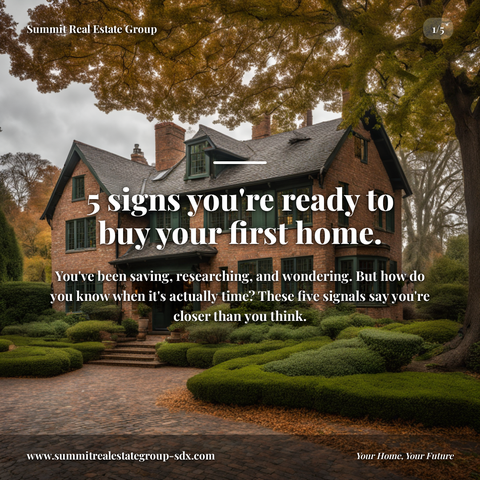
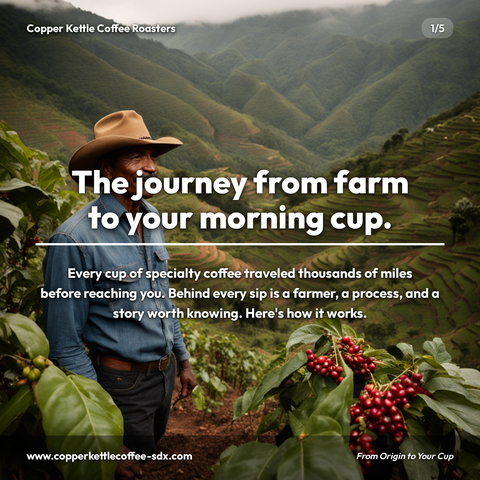




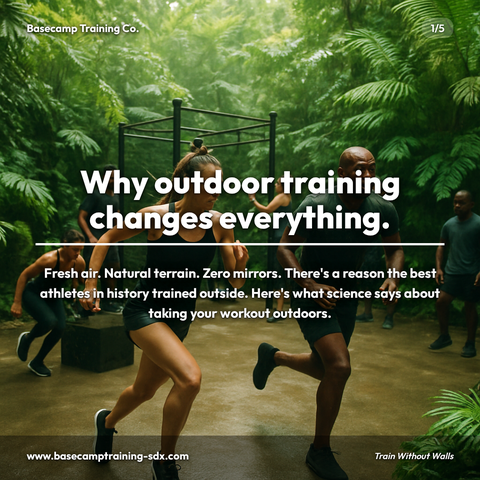
Carousels
5-slide branded PDF, ready to post on LinkedIn and social media.
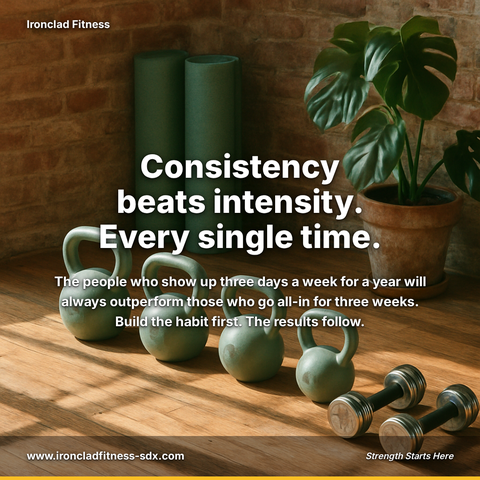
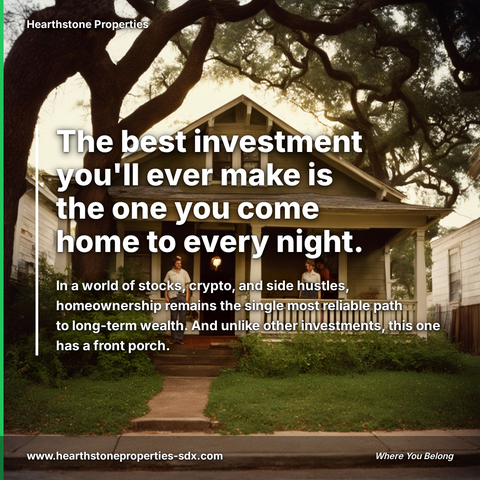
Branded Graphics
Single eye-catching image with your brand colors and message.
Text Posts
Thought leadership copy, ready to paste and publish.
What is Commercial Interior Designers social media content?
Social media content for Commercial Interior Designers refers to LinkedIn posts, carousels, and case studies that demonstrate design expertise, research-backed insights, and measurable business impact for corporate, hospitality, and retail clients. This matters because corporate decision-makers evaluate designers based on demonstrated knowledge of workplace psychology, employee experience outcomes, and design ROI, not portfolio aesthetics alone. LinkedIn carousels take a reader from question to answer without losing them, making them ideal for sharing trend analysis and spatial design principles that establish authority. Effective content includes workplace psychology series examining office layouts and employee retention, confidentiality-compliant case studies showing quantified results like meeting room conflict reduction through activity-based working, and data-driven trend analysis on biophilic design's wellness ROI. Rather than spending hours researching and formatting posts manually, Commercial Interior Designers can leverage Zvario to generate this content in under 2 minutes from a single topic, maintaining consistency and quality while focusing on actual client projects.
Commercial Interior Designers Need Visibility Where Decision-Makers Actually Spend Time
The executives, real estate directors, and facility managers who commission commercial design projects are LinkedIn-native professionals. They research design partners, evaluate approaches, and build business cases for workspace investments on the platform where they already spend their professional time. Consistent visibility in their feeds—through project insights, design methodology, and workplace strategy content—ensures you're top-of-mind when budget cycles activate and RFP timelines compress.
Credibility in Commercial Design Comes From Speaking the Language of Business Outcomes
Corporate clients don't evaluate design proposals based on aesthetics alone—they evaluate them based on recruitment impact, employee retention, productivity metrics, and brand alignment. When your content connects spatial design decisions to measurable business outcomes (employee satisfaction scores, occupancy optimization, tenant attraction), you establish credibility as a strategic business partner, not just a designer. This positioning directly influences which firms get shortlisted for high-value commercial projects.
Thought Leadership Differentiates You in a Crowded Commercial Design Market
Publishing original insights about workplace psychology, hospitality design principles, retail environment strategy, or corporate real estate trends positions you as an authority beyond your portfolio. When you consistently explain *why* certain design decisions matter—backed by industry data, project learnings, or design philosophy—you attract not just inquiries, but better-qualified prospects who already understand and value your approach before they contact you.
Lead Generation From Commercial Projects Requires Long-Term Relationship Building
Commercial design cycles are longer, decision-making committees are larger, and budget approval timelines extend months. Strategic content that educates corporate decision-makers about workplace strategy, space utilization, and design ROI keeps you visible throughout the entire consideration period. Building this visibility early—before budgets are allocated—ensures you're in the conversation when procurement actually begins.
Networking With Real Estate and Facility Management Communities Accelerates Referral Growth
Corporate real estate directors, workplace experience leaders, and facility managers form professional networks where design recommendations carry significant weight. Participating in this community through relevant content, industry insights, and thought leadership positions you as a trusted resource within their professional circles. This peer-to-peer visibility often generates more qualified referrals than direct outreach.
What you can create for Commercial Interior Designers
- Workplace psychology carousel series: '5 Office Layout Decisions That Impact Employee Retention' with research citations and spatial design applications
- Employee experience case study posts (confidentiality-compliant): 'How We Reduced Meeting Room Conflicts by 40% Through Activity-Based Working Design'
- Commercial design trend analysis: 'Biophilic Design in Corporate Spaces—What the Data Actually Shows About Wellness ROI'
- Facility manager educational content: 'Space Utilization Metrics Every Corporate Real Estate Director Should Track'
- Before/after transformation posts focusing on business metrics: 'This Retail Environment Redesign Increased Customer Dwell Time by 23%'
- Hospitality design principle posts: 'Why Hotel Corridor Design Principles Work in Corporate Office Common Spaces'
- Design methodology thread: 'Our 5-Step Process for Aligning Workspace Design With Company Culture (Case Study Included)'
- Industry insight posts: 'The Return-to-Office Challenge—How Design Strategy Solves the Productivity Equation'
Sample topics to get started
Frequently asked questions
How can I share commercial projects on Zvario when client confidentiality agreements restrict what I can show?
Focus on design principle, methodology, and outcome-based content that teaches your commercial design thinking without revealing specific client details. You can discuss workplace strategy frameworks, space planning decisions, and business impact metrics in abstract terms. Many corporate decision-makers actually prefer educational content about *how* you approach design over portfolio images. Zvario's carousel and thread formats work especially well for this methodology-focused storytelling.
How do I use Zvario to reach corporate real estate directors and facility managers specifically?
Post content using their professional vocabulary: employee experience, workplace strategy, space utilization, tenant attraction, occupancy optimization, and facility ROI. These professionals search and follow content tagged with these terms. Tailor your Zvario posts to address their specific challenges—budget justification, space efficiency, culture alignment—rather than design aesthetics. Your targeting will naturally attract the right decision-maker audience.
What type of Zvario content generates the most qualified commercial design leads?
Case study posts and educational threads that connect design decisions to measurable business outcomes generate the highest-quality inquiries. Corporate buyers need to understand ROI before they engage. Share real metrics when possible (productivity improvements, retention gains, cost savings), even if disguised by industry or company type. Use Zvario's native analytics to identify which topics your target audience engages with most.
How often should I post on Zvario to stay visible to commercial clients in long sales cycles?
Consistency matters more than frequency—aim for 2-3 high-value posts per week rather than daily updates. Commercial decision-making cycles are long, so regular visibility prevents you from being forgotten during the consideration phase. Use Zvario's scheduling features to maintain presence even during project-heavy periods. Track which post types generate engagement from your target audience and double down on those formats.
Can Zvario help me build authority with a specific commercial design niche (hospitality, tech, healthcare)?
Absolutely. Use Zvario to consistently publish about your niche's unique challenges and design principles. If you specialize in tech workplace design, post about collaboration patterns in engineering firms. If you focus on hospitality, discuss guest experience design principles applied to corporate environments. This specialization makes you discoverable to prospects within that industry and positions you as the obvious choice for niche-specific RFPs.
How can I post consistently without a design background?
Enter a topic and Zvario returns finished, branded content you can post as is. Consistency stops depending on design skill or free time, which is the usual reason posting slips.
What does it cost to get started?
Zvario is free for your first 5 creations with no credit card. Starter is then $19.95 a month for up to 80 creations a week, and Pro is $39.99 a month for up to 130 plus one-click posting. You can prove it works on real content before paying.
Explore More
Build your commercial design practice on LinkedIn
Try it free — no credit card needed.
Start FreeFree to start. See plans and pricing