
LinkedIn Content for Architecture & Engineering Firms
LinkedIn content that builds your AEC firm's reputation and attracts clients who value technical excellence and project delivery quality.
Start FreeFree to start. See plans and pricing
See what Zvario creates
Branded carousels, graphics, and posts, tailored to your message.

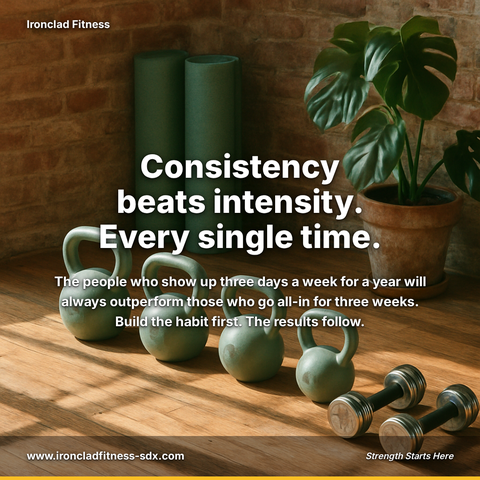
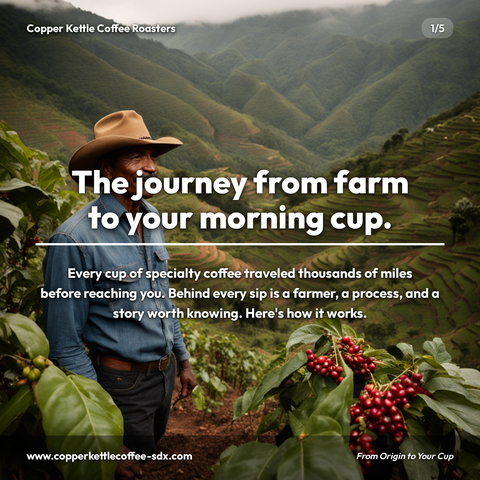



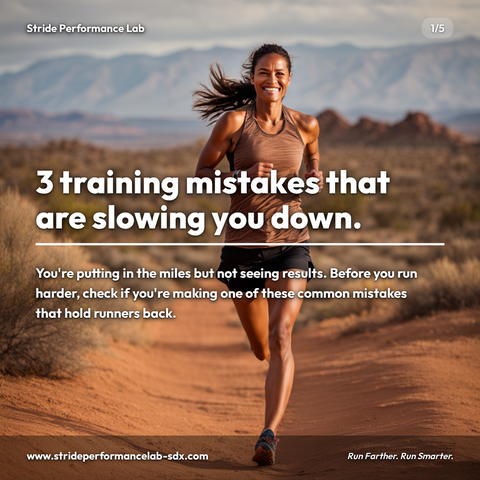

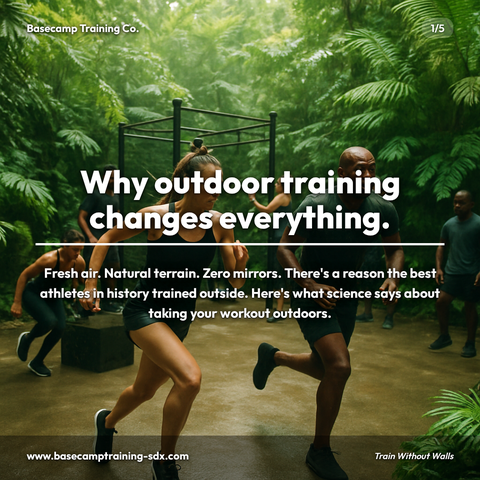
Carousels
5-slide branded PDF, ready to post on LinkedIn and social media.
Branded Graphics
Single eye-catching image with your brand colors and message.
Text Posts
Thought leadership copy, ready to paste and publish.
What is Architecture & Engineering Firms social media content?
Social media content for Architecture & Engineering Firms refers to LinkedIn posts, carousels, and case studies that showcase technical expertise, project delivery capabilities, and innovative design solutions to attract high-value clients and establish firm authority. This matters because decision-makers in construction, real estate, and institutional sectors rely on demonstrated technical excellence and proven methodologies, not generic marketing, to evaluate potential partners, making strategic content essential for building credibility and generating qualified leads. Effective AEC content highlights structural innovations, sustainable design approaches like net-zero and LEED certifications, and project-type expertise across adaptive reuse, healthcare, and mixed-use developments. LinkedIn carousels work as a reference a reader can come back to, making them ideal for breaking down complex engineering solutions into digestible visuals. Rather than spending hours researching trends and formatting posts, firms can accelerate their content strategy with Zvario, which generates polished, industry-specific content in under 2 minutes from a single topic.
Project Owners and Developers Select AEC Firms Based on Track Record and Expertise
Real estate developers, municipal governments, and corporate owners who commission architecture and engineering work evaluate firm expertise through project portfolios, technical reputation, and professional visibility before shortlisting for proposals. AEC firms that maintain consistent social content on project type expertise, technical approach, and delivery methodology are positioned when opportunities match their capabilities. Firms that demonstrate deep knowledge in specific sectors—healthcare, higher education, mixed-use, industrial—attract more qualified inquiries than those with generic capability messaging.
Technical Expertise and Innovation Content Builds Peer Credibility Among Decision Influencers
Structural engineers, design directors, MEP specialists, and senior architects who influence AEC purchasing decisions are professionals who actively engage with technical content on social platforms. Firms that publish on structural innovation, sustainable design strategies, emerging materials, BIM methodology, and complex problem-solving build the peer reputation that generates referrals, subconsultant relationships, and direct client opportunities. This peer-to-peer visibility is especially valuable in markets where technical reputation precedes commercial relationships.
Specialization Positioning Generates More Relevant Leads Than Generalist Messaging
AEC firms that clearly demonstrate expertise in specific building typologies, market sectors, or technical disciplines attract higher-quality opportunities than those positioning broad capabilities. Content that shows how you approach adaptive reuse, seismic retrofitting, net-zero design, or complex structural challenges resonates more with project owners evaluating specialized expertise. Focused positioning allows you to compete on technical merit rather than scale, which is especially effective for mid-market and specialized firms.
Case Studies and Project Narratives Drive Visibility Without Compromising Client Confidentiality
With client permission, detailed project case studies demonstrating your design process, technical solutions, and outcomes are among the most effective content formats for AEC marketing. When confidentiality agreements restrict full project disclosure, technical methodology content—how you approach specific project types, what innovations you've applied, lessons learned from complex problems—demonstrates expertise while protecting client relationships. Process-focused narratives often resonate more authentically with peer audiences than polished renderings alone.
Consistent Visibility Strengthens Positioning When Opportunities Emerge
AEC selection processes often span months or years from initial awareness to RFP issuance, meaning firms must maintain visible presence in their target market well before projects materialize. Regular content that demonstrates evolving expertise, emerging technical capabilities, and thought leadership on industry trends keeps your firm top-of-mind when project opportunities align with your positioning. This sustained visibility is particularly valuable in competitive markets where multiple qualified firms are under consideration.
What you can create for Architecture & Engineering Firms
- Structural innovation case studies showing engineering solutions and material efficiency gains
- Sustainable design methodology posts explaining net-zero, LEED, and carbon reduction approaches
- Project type expertise carousels (adaptive reuse, healthcare, higher education, mixed-use, industrial)
- BIM and digital design process content demonstrating integrated project delivery methodology
- Technical problem-solving narratives addressing complex site, code, or structural constraints
- Built environment trend analysis posts on emerging materials, building systems, and market shifts
- Staff expertise highlights featuring project directors, engineers, and design leads on their specialties
- Lessons learned content from completed projects discussing design decisions and performance outcomes
Sample topics to get started
Frequently asked questions
AEC project work is highly confidential—what can we share on social platforms?
With client permission, project case studies are extremely effective for demonstrating your expertise and approach. Without full disclosure agreements, technical methodology content—how you solve specific design challenges, what innovations you've applied, lessons learned from complex problems—shows your expertise while protecting confidentiality. Zvario's content templates help you frame process-focused narratives that emphasize your thinking without revealing sensitive project details.
Should we focus content on specific project types or showcase our full range of capabilities?
Specialization positioning outperforms generalist positioning in AEC. Content demonstrating deep expertise in specific building types, market sectors, or technical disciplines attracts more relevant opportunities than broad capability statements. Zvario's use case library includes templates tailored to different AEC specialties, helping you position focused expertise rather than trying to appeal to everyone.
How often should an AEC firm post content to stay visible in our target market?
Consistent monthly visibility with 2-4 posts per month maintains awareness among your peer networks and prospective clients without overwhelming your production schedule. AEC selection cycles are long, so sustained presence over quarters and years matters more than sporadic activity. Zvario's content calendar helps you batch-plan posts around project completions, firm milestones, and industry trends so consistency doesn't become a bottleneck.
What's the best way to showcase completed projects without violating client agreements?
Request post-project approval from clients—many will permit photos and process narratives if sensitive information is excluded. If full project disclosure isn't possible, write about your technical approach, problem-solving methodology, and lessons learned instead. Zvario templates guide you in structuring these narratives so they're compelling to peers without requiring detailed project specifics, and can help you request appropriate permissions in client conversations.
How do we build credibility with engineers and architects who influence AEC purchasing decisions?
Post content that demonstrates technical depth—structural innovation, MEP coordination strategies, emerging materials knowledge, sustainable design methodology—rather than marketing messaging. Engineers and architects respect peer-level content from practitioners who clearly understand their challenges. Zvario's industry-specific templates help you format technical insights and problem-solving narratives in ways that resonate with professional audiences, building the peer credibility that drives referrals and opportunities.
How much does branded social media content cost with Zvario?
Zvario is free to start with 5 creations and no credit card. Starter is $19.95 a month for up to 80 creations a week, and Pro is $39.99 a month for up to 130 plus one-click posting to your connected accounts. There are no per-piece design fees, so cost stays predictable as you post more.
How long does it take to make one branded post?
About a minute of your time. You enter a topic, Zvario returns a finished branded carousel, graphic, or post, and you review and publish. No design tool, no template hunting.
Explore More
Build your AEC firm's reputation on LinkedIn
Try it free — no credit card needed.
Start FreeFree to start. See plans and pricing