
LinkedIn Content for Structural Engineers
LinkedIn content that builds your structural expertise reputation and attracts the architectural and developer relationships that sustain a strong practice.
Start FreeFree to start. See plans and pricing
See what Zvario creates
Branded carousels, graphics, and posts, tailored to your message.

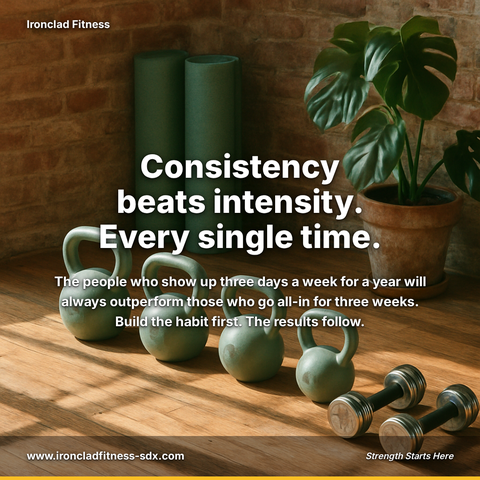
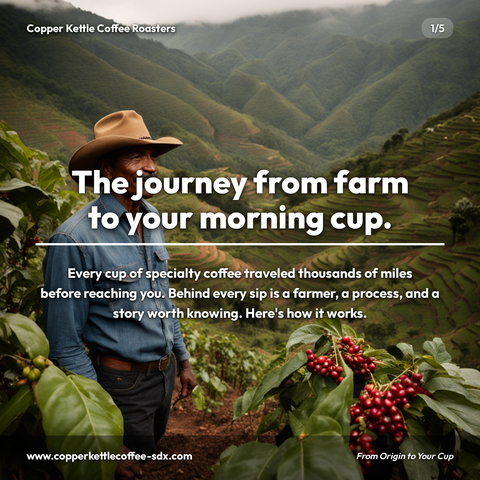





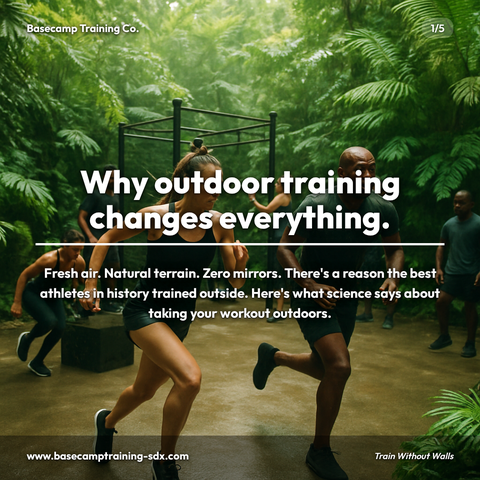
Carousels
5-slide branded PDF, ready to post on LinkedIn and social media.
Branded Graphics
Single eye-catching image with your brand colors and message.
Text Posts
Thought leadership copy, ready to paste and publish.
What is Structural Engineers social media content?
Social media content for Structural Engineers refers to LinkedIn posts, carousels, and case studies designed to demonstrate technical expertise while building relationships with architects, developers, and project stakeholders. This matters because architects and developers actively seek trusted structural partners for complex projects, visibility and thought leadership directly influence which engineers get called for high-value commissions and repeat work. Content showcasing material comparisons (CLT vs. steel vs. concrete performance metrics), foundation innovation case studies, and seismic design philosophy positions engineers as authoritative problem-solvers rather than commodity service providers. LinkedIn carousels work as a reference a reader can come back to, making visual comparisons particularly effective for this audience. Rather than spending hours crafting posts about your firm's latest project, Zvario generates publication-ready structural engineering content in under 2 minutes from a single project topic, allowing you to maintain consistent visibility without the production burden.
Architects and Developers Choose Structural Engineers on Technical Reputation
Architects who select structural engineers for their projects evaluate technical capability, communication quality, and creative problem-solving alongside basic credentials. LinkedIn content that demonstrates your approach to complex structural challenges, material innovation, and collaborative design process builds the professional reputation that generates project invitations from architects seeking genuine partners rather than commodity engineers. Zvario's visual content tools make it easy to share before-and-after structural solutions, load path diagrams, and design decision narratives that position you as a thoughtful, collaborative engineer rather than a code-compliance checkbox.
Structural Innovation Is LinkedIn's Most Underrepresented Engineering Content
Mass timber, long-span structures, seismic innovation, and sustainable structural systems are topics that architectural and real estate professionals follow but rarely see explained by structural engineers. Content that makes structural innovation accessible to non-engineer audiences builds both public credibility and the professional relationships that generate project opportunities at the leading edge of construction. By using Zvario's carousel and graphics features, you can break down CLT performance, explain post-tensioning efficiency, or demystify damping systems in ways that resonate with designers and developers who need to understand the 'why' behind structural choices.
Demonstrating Applied Expertise Builds Lead Generation Beyond Your Firm
Structural engineers who share specific methodologies—foundation design for challenging soils, adaptive reuse structural strategies, or modular coordination approaches—attract inquiries from developers, general contractors, and architects working on similar projects. This visibility positions your firm as the expert choice for specialized work rather than generic capacity. Zvario allows you to create templated content around your core competencies, making it consistent and efficient to publish the technical depth that decision-makers are actually looking for.
Building Code and Performance Standards Content Establishes Thought Leadership
Structural engineers who regularly interpret and explain how evolving codes (seismic provisions, wind design standards, energy-related structural implications) impact real projects position themselves as authorities who understand both compliance and strategic design. This content attracts not just other engineers but also architects, contractors, and development teams who need clarity on code-driven constraints and opportunities. Zvario's brand-consistent posting allows you to maintain a steady stream of code-relevant insights that keep you visible to the broader AEC community.
Networking With Architects and Developers Happens Through Content That Speaks Their Language
Structural engineers who share insights on cost drivers, schedule risks, material sourcing, and performance trade-offs—rather than purely technical specifications—create natural conversation starters with the professionals who hire them. This approach builds relationships before projects exist, turning passive LinkedIn connections into active collaborators. Zvario's tailored content library for structural engineers helps you create posts that frame your expertise in terms architects and developers actually care about: buildability, cost certainty, and design freedom.
What you can create for Structural Engineers
- Mass timber performance comparison carousels: CLT vs. steel vs. concrete for mid-rise commercial, with cost, speed, and sustainability metrics side-by-side
- Foundation design case studies: How subsurface conditions forced innovation in pile design, soil stabilization, or lateral load management on a specific project type
- Seismic design philosophy posts: Explaining moment-resisting frames, shear walls, and base isolation in language architects use, with building performance outcomes during earthquakes
- Long-span structural solutions graphics: Spanning challenges on typical project types (atriums, parking, retail) and the structural systems that solve them with visual load path diagrams
- Adaptive reuse structural assessments: Before-and-after posts on converting historic buildings, warehouses, or industrial structures into new uses, highlighting structural innovations
- Post-tensioning and cable-stayed applications: Visual explainers on how PT systems reduce concrete thickness, reduce columns, and improve architectural flexibility on commercial projects
- Wind and lateral design posts: Explaining how building shape, location, and height drive structural response, using real project examples from your market
- Modular and prefabrication coordination posts: How structural engineering enables off-site fabrication and assembly coordination with architectural and MEP systems
Sample topics to get started
Frequently asked questions
Structural engineering is highly technical — how do we make content accessible without oversimplifying?
Focus on the building outcomes and design decisions that architects and developers care about: cost per square foot, construction timeline, material availability, and performance during critical events. Explain the structural reasoning behind these outcomes using visuals and analogies that translate technical concepts into business language. Zvario's carousel feature is ideal for this—start with the business outcome, then show the structural solution step-by-step.
Should we post about specific projects or keep content general?
Mix both approaches: general methodology and innovation content builds broader credibility and attracts a wide audience, while specific project case studies (with client permission) demonstrate applied capability and build trust with prospects considering similar work. Zvario's content templates help you develop both consistently. Case studies perform especially well when you explain the decision-making process, not just the final design.
How often should structural engineers post to build a credible LinkedIn presence?
Consistency matters more than frequency—aim for 2-4 posts per month, focusing on quality over volume. Architects and developers follow structural engineers for substantive insights, not daily updates. Zvario's scheduling and template features help you maintain a sustainable cadence without creating extra work, so you can focus on content quality and relevance to your target audience.
What kind of visuals work best for structural engineering content?
Load path diagrams, cross-sections, before-and-after comparisons, and material/system performance charts resonate most with your audience. Avoid generic stock images; use real project sketches, renderings, or field photos that show actual structural solutions. Zvario's graphics tools allow you to create consistent, professional visuals that reinforce your brand while making technical concepts clear to non-engineer professionals.
How do we measure whether structural engineering content is actually generating leads?
Track which posts generate the most meaningful engagement from architects, developers, and general contractors—not just total impressions. Monitor inbound project inquiries and ask clients how they found you; you'll often discover that specific content pieces preceded initial conversations. Zvario's analytics help you identify which topics and formats resonate with your target audience, so you can refine your strategy over time based on actual professional outcomes.
How can I post consistently without a design background?
Enter a topic and Zvario returns finished, branded content you can post as is. Consistency stops depending on design skill or free time, which is the usual reason posting slips.
What does it cost to get started?
Zvario is free for your first 5 creations with no credit card. Starter is then $19.95 a month for up to 80 creations a week, and Pro is $39.99 a month for up to 130 plus one-click posting. You can prove it works on real content before paying.
Explore More
Build your structural engineering reputation on LinkedIn
Try it free — no credit card needed.
Start FreeFree to start. See plans and pricing