
LinkedIn Content for Corporate Social Responsibility
LinkedIn content that demonstrates your organization's CSR commitment with the specificity and authenticity that modern stakeholders require.
Start FreeFree to start. See plans and pricing
See what Zvario creates
Branded carousels, graphics, and posts, tailored to your message.

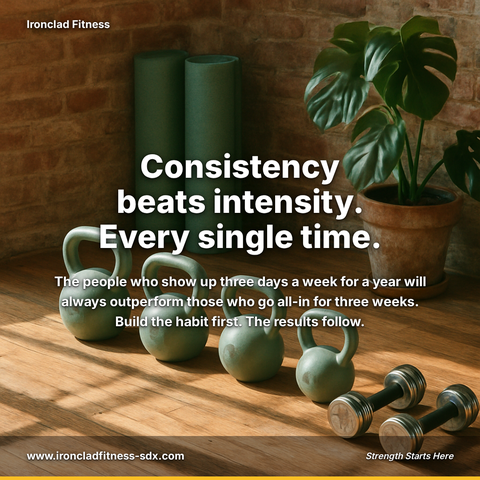
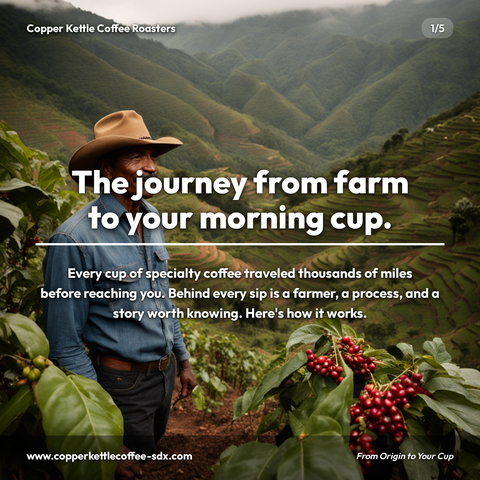


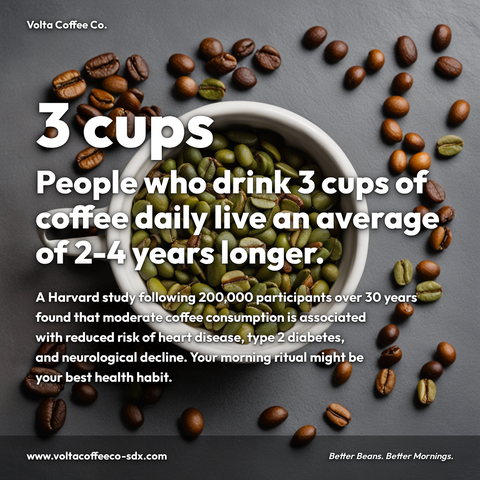


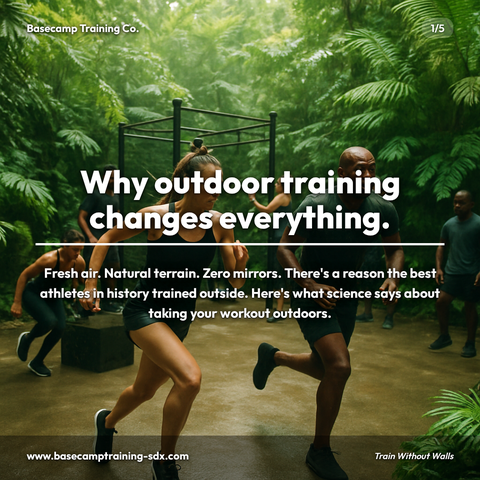
Carousels
5-slide branded PDF, ready to post on LinkedIn and social media.
Branded Graphics
Single eye-catching image with your brand colors and message.
Text Posts
Thought leadership copy, ready to paste and publish.
What is Corporate Social Responsibility social media content?
Corporate Social Responsibility social media content refers to authentic, data-driven posts that communicate your organization's sustainability initiatives, community impact, and ESG progress to stakeholders across platforms like LinkedIn. For communicators and marketing professionals, this content builds organizational credibility, attracts mission-aligned talent and clients, and demonstrates measurable commitment to values that increasingly influence purchasing and employment decisions. Effective CSR content combines quantifiable metrics, such as emissions reductions or volunteer hours, with transparent storytelling about implementation challenges and results, and LinkedIn carousels survive a second reading in a way a single graphic does not. The most compelling examples include year-over-year sustainability progress carousels, community outcome graphics, and goal-tracking updates that acknowledge missed targets alongside organizational responses. Rather than spending hours developing these narratives from scratch, Zvario generates this content in under 2 minutes from a single topic.
CSR Must Be Communicated to Have Impact on Talent and Trust
Organizations that invest in environmental, social, and governance programs but don't communicate them effectively lose the recruitment, retention, and brand trust benefits those investments should generate. Professionals—especially Gen Z and millennial workers who weight CSR most heavily in employer decisions—evaluate organizational values and commitments through social channels where they consume authentic peer insights and company narratives. Without strategic visibility, even robust CSR programs remain invisible to the talent market, undermining both recruitment impact and employee pride in organizational mission.
Stakeholders Reward Transparency Over Perfection in CSR Communication
The most effective CSR content demonstrates honest progress against stated commitments, including candid discussion of challenges, learning curves, and gaps between goals and current performance. Organizations that share genuine CSR journeys—including setbacks, course corrections, and areas still under development—build significantly more stakeholder trust than those presenting only polished achievement narratives. Authenticity in CSR communication satisfies both ethical obligations and strategic imperatives: it differentiates organizations in crowded talent markets and creates stronger retention bonds with employees who want to work for companies genuinely committed to improvement, not just image management.
ESG Reporting Integrated With Storytelling Drives Engagement and Credibility
Raw ESG data and sustainability metrics alone don't engage professional audiences or shape perception—the narratives surrounding those metrics do. Effective CSR communication weaves quantifiable progress (emissions reductions, diversity hiring targets, community investment dollars) into human-centered stories: the employee resource group that shaped workplace policy, the supply chain audit that revealed unexpected challenges, the partnership that exceeded impact projections. This integration of hard metrics with authentic storytelling creates content that performs across both engagement metrics and credibility assessments, allowing organizations to demonstrate rigor while remaining accessible to diverse stakeholder audiences.
CSR Content Establishes Thought Leadership and Attracts Purpose-Driven Talent
Organizations that regularly share CSR insights, frameworks, and learning—not just promotional announcements—position themselves as industry thought leaders on sustainability and social impact. This content strategy attracts mission-aligned professionals, attracts partnership inquiries from aligned organizations, and builds organizational credibility in policy conversations. CSR thought leadership content also signals to investors, customers, and partners that the organization has moved beyond compliance-driven sustainability to strategic, values-aligned business practices.
Consistent CSR Communication Builds Community and Stakeholder Networks
Regular CSR content creation catalyzes engagement with employees, community partners, customers, and industry peers who share organizational values. This engagement strengthens recruitment pipelines, deepens customer loyalty, and creates networks of advocates who amplify organizational CSR messages organically. Social platforms enable organizations to transform CSR initiatives from internal programs or external announcements into ongoing conversations that deepen stakeholder relationships and create competitive advantages in both talent markets and consumer preference.
What you can create
- Multi-slide sustainability progress carousels with year-over-year emissions or waste reduction metrics paired with behind-the-scenes implementation stories
- Community impact outcome graphics showcasing volunteer hours contributed, nonprofit partners engaged, or local economic impact delivered through CSR programs
- ESG goal-tracking posts with transparent progress updates, including quarters where targets were missed and organizational response to those gaps
- Employee resource group spotlights and testimonials about how CSR programs shaped workplace culture and individual career development
- Supply chain transparency deep-dives: audits conducted, ethical sourcing improvements made, and supplier partnership case studies
- CEO or executive leadership posts on CSR strategy decisions, personal accountability commitments, and how organizational values shape business priorities
- Partner and nonprofit co-branded content celebrating joint impact, shared metrics, and lessons learned from collaborative CSR initiatives
- Educational content series on CSR frameworks (GRI standards, SASB materiality, net-zero commitments) tailored for professional audience comprehension
Sample topics to get started
Frequently asked questions
How do we discuss CSR without appearing to greenwash?
Specificity is the antidote to greenwashing. Share precise commitments with measurable targets, documented progress against those targets (including gaps and timeline delays), and transparent organizational decisions behind them. Use Zvario's content scheduling and brand voice consistency tools to maintain this specificity across all CSR communications. Vague aspirations read as greenwashing; specific accountability reads as genuine commitment.
Who should communicate CSR content on LinkedIn?
Both company pages and individual leaders amplify CSR impact. CEO and executive CSR content carries personal accountability weight that company page announcements don't. The combination of organizational reporting and leadership personal commitment signals depth of dedication. Use Zvario to coordinate executive and company page CSR narratives so they reinforce each other while maintaining distinct voice and perspective.
How often should we post CSR content to maintain credibility without appearing performative?
Quarterly milestone posts combined with monthly shorter-form updates (progress snapshots, partner spotlights, learning insights) sustains visibility without oversaturation. The cadence should mirror your actual CSR progress timeline—if you update targets quarterly, post quarterly. Use Zvario's content calendar to plan CSR communications alongside your sustainability reporting calendar, ensuring all public updates align with internal accountability cycles.
What metrics should we track for CSR content performance?
Track engagement (comments, shares, click-throughs to full impact reports) separately from vanity metrics. Most importantly, measure downstream impact: applications from CSR-engaged audiences, employee retention among CSR-aware cohorts, and customer lifetime value among values-aligned segments. Use Zvario's analytics to connect content performance to business outcomes, demonstrating ROI of CSR communication investment to stakeholders and boards.
How do we customize CSR content for different stakeholder audiences?
Customize narrative focus, not metrics: investors need financial materiality and risk assessment; employees need culture impact and personal involvement opportunities; customers need supply chain transparency and product impact; partners need collaborative metrics and shared learning. Use Zvario's audience segmentation and content variants to tailor CSR messaging by stakeholder group while maintaining core authenticity and message consistency across all versions.
What is the fastest way to create content on this topic?
Enter the topic and Zvario returns a finished, branded carousel, graphic, or post in about a minute. You review, adjust wording if you want, and publish.
Is there a free way to try it?
Yes. Zvario gives you 5 free creations with no credit card. Ongoing use is $19.95 a month on Starter for up to 80 creations a week, or $39.99 a month on Pro for up to 130 plus one-click posting.
Explore More
Communicate your CSR commitment on LinkedIn
Try it free — no credit card needed.
Start FreeFree to start. See plans and pricing