
LinkedIn Content on Entrepreneurship Lessons
LinkedIn content that builds your founder credibility and attracts the community, customers, and collaborators your business needs.
Start FreeFree to start. See plans and pricing
See what Zvario creates
Branded carousels, graphics, and posts, tailored to your message.




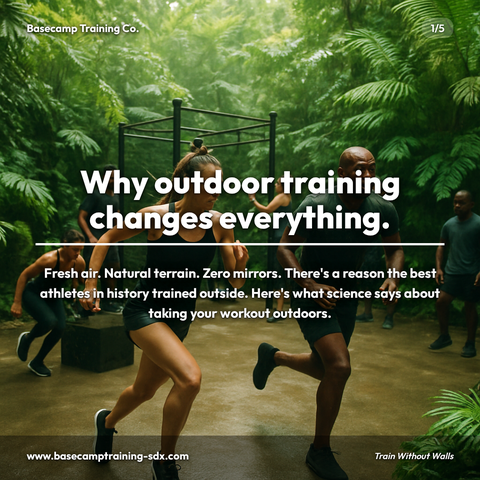
Carousels
5-slide branded PDF, ready to post on LinkedIn and social media.
Branded Graphics
Single eye-catching image with your brand colors and message.
Text Posts
Thought leadership copy, ready to paste and publish.
What is Entrepreneurship Lessons social media content?
Social media content for Entrepreneurship Lessons refers to founder-focused posts that document real business challenges, mistakes, and wins, shared authentically on platforms like LinkedIn to build credibility and attract customers, investors, and top talent. This matters deeply for founders because vulnerability-driven content positions you as an industry authority while demonstrating leadership competence, directly influencing how prospects perceive your business and whether they choose to work with you. Effective formats include carousel posts breaking down costly hiring mistakes with solutions, before-and-after graphics showing measurable founder wins tied to specific business decisions, and threaded "unpopular opinion" posts grounded in unit economics and runway data, with LinkedIn carousels building one idea across five slides instead of flattening it into one. These pieces work because they prove you've scaled real problems and learned from failures, making your advice credible rather than theoretical. Zvario streamlines this entire process by generating polished Entrepreneurship Lessons content directly from your founder story. Zvario generates this content in under 2 minutes from a single topic, so you can publish consistently and build community without the heavy lifting.
Entrepreneurship Content Is LinkedIn's Highest-Engagement Category
LinkedIn's professional audience consistently engages most with authentic entrepreneurship content — honest accounts of building, failing, learning, and growing. Founders who share real lessons from their entrepreneurial journey build audiences of aspiring entrepreneurs, potential customers, investors, and potential collaborators that no other content category matches for growth speed or community depth. This engagement translates directly into business opportunities, from customer acquisition to partnership pipelines.
Failure Content Outperforms Success Content on LinkedIn
The counterintuitive truth of LinkedIn entrepreneurship content: posts about mistakes, failures, and hard lessons are harder to write and harder to scroll past than success announcements. The professional audience is hungry for authentic, honest accounts of business building — the stuff that doesn't appear in press releases or pitch decks. Sharing what went wrong, with the specific lesson extracted and the principle generalized, builds trust and credibility that success stories alone cannot achieve, positioning you as a thought leader rather than a cheerleader.
Establish Thought Leadership Authority Through Systematic Framework Sharing
The most-followed entrepreneurship voices on LinkedIn don't just tell stories — they extract frameworks and principles from their experiences and teach them visually. Carousels that break down decision-making frameworks, growth models, or hiring lessons create repeatable, shareable assets that establish you as someone with systematic thinking, not just anecdotal experience. This type of content also performs exceptionally well when repurposed across formats, making it the highest ROI content for entrepreneurship creators.
Build Direct Lead Generation Through Founder-to-Founder Credibility
Entrepreneurship lessons content attracts three high-value audience segments simultaneously: other founders seeking peer learning, potential customers who trust founders over marketers, and investors who evaluate founder quality through public communication. Unlike generic business advice, founder-specific lessons demonstrate operational thinking and strategic decision-making, making your audience more likely to explore your actual business offerings. This natural credibility conversion is why entrepreneurship creators see higher-quality inbound leads than any other content category.
Create Networking and Collaboration Opportunities Through Visible Expertise
Entrepreneurs who publicly share lessons attract inbound partnership and collaboration requests from aligned founders, service providers, and ecosystem players who recognize complementary expertise. This visible expertise becomes your professional currency — investors, board members, and co-founder prospects evaluate founders through their public thinking and demonstrated learning patterns. Content that shows how you think, what you've learned, and how you approach problems becomes the foundation for high-quality professional relationships.
What you can create
- 5-slide carousel: "5 Hiring Mistakes That Cost Us $200K (And How We Fixed Recruitment)"
- Single-image graphics: Founder lesson quotes with before/after metrics (e.g., "Before: 60-hour weeks managing micromanagement. After: Built management framework, company grew 40%")
- Thread-style posts: "Unpopular Opinion" entrepreneurship takes with founder data points (runway implications, unit economics mistakes, GTM assumptions)
- Milestone reflection posts: "We hit $1M ARR — here are 7 things I'd never do again and the reasons why"
- Decision-framework carousels: "How We Decide to Say No to Opportunities" (with real company examples, anonymized where needed)
- Failure-to-lesson graphics: Visual case studies of pivots, product kills, or strategic reversals with the underlying principle illustrated
- Operational playbook snippets: "The 3-Question Customer Interview Framework That Saves 10 Hours of Wasted Development"
- Comparative growth posts: "Why bootstrapped companies avoid these 4 venture-scale mistakes (and which ones hurt anyway)"
Sample topics to get started
Frequently asked questions
Is it appropriate to share business failures publicly on LinkedIn?
Absolutely — with thoughtfulness. Failure content that includes the specific lesson learned, what you'd do differently, and how it changed your approach consistently generates the highest engagement on LinkedIn. When you share failures through Zvario's format tools, you can frame the narrative strategically (leading with the lesson, then the story) which builds more professional credibility than invulnerability ever could. The key is extracting a principle, not just venting.
Should entrepreneurship content focus on my specific business or general lessons?
The best entrepreneurship content is specific to your experience but generalizable to your audience's situations. The format 'Here's what happened in our business and here's the principle it illustrated' generates both authenticity and broad relevance. Using Zvario's carousel and graphics templates, you can make your specific story feel like a teaching moment rather than self-promotion, which is what drives engagement and credibility.
How do I share sensitive business information without exposing competitive data?
Focus on lessons and decisions, not secret sauce. Share the strategic principle and the business decision, but not the underlying metrics, customer segments, or tactical implementation details. For example: 'We realized we were chasing enterprise customers when our unit economics favored mid-market' works; 'Our CAC was $8K for enterprises and $2K for mid-market' doesn't. Zvario's layout tools help you emphasize the lesson while keeping sensitive numbers private.
When should I share lessons about current challenges vs. problems I've already solved?
Both work, but for different reasons. Solved problems establish expertise and demonstrate learning velocity; current challenges show real-time thinking and attract peer support from other founders. The real opportunity is to share the decision framework you're using on current challenges, which shows your thinking process. On Zvario, you can use graphics templates to break down the framework itself, making even in-progress thinking feel like finished advice.
How do I avoid looking like I'm just bragging about past success when sharing entrepreneurship lessons?
Lead with the mistake or the learning, not the outcome. Instead of 'We scaled to $5M ARR,' try 'We scaled to $5M because we stopped chasing every feature request — here's the framework we used to say no.' Zvario's carousel and single-image formats are specifically designed for this: the lesson goes in the headline or opening slide, and context comes second. This positioning shift makes the same story educational rather than promotional.
What is the fastest way to create content on this topic?
Enter the topic and Zvario returns a finished, branded carousel, graphic, or post in about a minute. You review, adjust wording if you want, and publish.
Is there a free way to try it?
Yes. Zvario gives you 5 free creations with no credit card. Ongoing use is $19.95 a month on Starter for up to 80 creations a week, or $39.99 a month on Pro for up to 130 plus one-click posting.
Explore More
Share your entrepreneurship story on LinkedIn
Try it free — no credit card needed.
Start FreeFree to start. See plans and pricing