
LinkedIn Content for Speech-Language Pathologists
LinkedIn content that builds referral relationships and professional reputation for your SLP practice.
Start FreeFree to start. See plans and pricing
See what Zvario creates
Branded carousels, graphics, and posts, tailored to your message.


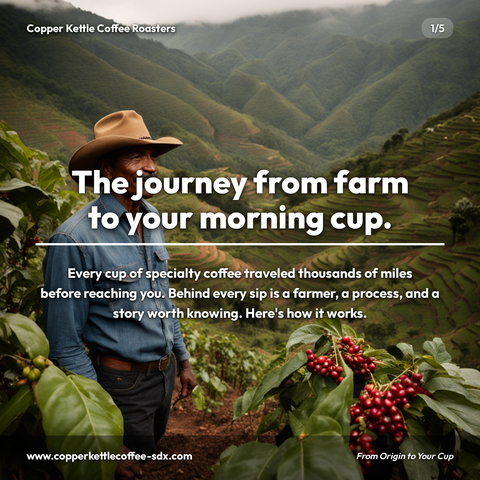






Carousels
5-slide branded PDF, ready to post on LinkedIn and social media.
Branded Graphics
Single eye-catching image with your brand colors and message.
Text Posts
Thought leadership copy, ready to paste and publish.
What is Speech-Language Pathologists social media content?
Speech-Language Pathologists social media content refers to educational and clinical posts designed for LinkedIn that showcase expertise, build referral relationships, and establish professional authority within the SLP community. This matters significantly for SLP practices because referral-based business models depend on visibility among physicians, educators, and other healthcare professionals who drive patient intake and revenue growth. High-quality content demonstrating clinical outcomes and evidence-based practices directly influences referral source confidence and patient acquisition. LinkedIn carousels earn a second look because each slide answers the one before it, making visual educational content particularly effective for SLPs sharing speech sound development milestones, fluency therapy before-and-afters, or AAC device implementation strategies. Rather than spending hours creating individualized graphics and captions for each clinical topic, Zvario streamlines this process by generating professional, clinically accurate content directly from your practice areas. Zvario generates this content in under 2 minutes from a single topic, allowing you to maintain consistent professional visibility without sacrificing clinical time.
Pediatricians, Teachers, and Parents Research SLPs Before Referring
The professionals and parents who refer children and adults to speech-language therapy research provider expertise, specialty, and approach before making recommendations. LinkedIn content that demonstrates your clinical focus areas, therapy methodology, and early intervention philosophy builds the referral network that sustains a thriving SLP practice. When pediatricians see consistent, evidence-based posts about articulation disorders or language delay red flags, they're more likely to refer directly to you rather than generic speech therapy clinics in the area.
Communication Science Education Attracts Both Referrals and Direct Clients
Parents, educators, and the adults managing their own communication challenges are actively seeking evidence-based information on speech development, language processing, and fluency. SLPs who publish educational content on these topics are discovered by their most motivated potential clients and referral partners at exactly the moment of highest need. A post explaining the difference between speech sound disorders and phonological disorders or detailing the neuroscience of stuttering positions you as the specialist families actively search for online.
Specialized SLP Niches Command Higher Visibility and Client Confidence
Whether your expertise is in apraxia of speech, augmentative and alternative communication (AAC), voice disorders, swallowing disorders (dysphagia), or cognitive-communication rehabilitation after stroke, showcasing that specialization on LinkedIn differentiates you from generalist practices. Consistent content about your niche—case studies (anonymized), treatment outcome data, or protocol-specific posts—attracts clients and referrers who specifically need your expertise. Parents of children with childhood apraxia of speech (CAS) or adults post-stroke will travel or pay out-of-network for a clinician with demonstrated specialization.
Building Professional Authority Expands Referral Partnerships and Speaking Opportunities
SLPs who establish thought leadership through LinkedIn content often receive invitations to present at school districts, pediatric practices, early intervention programs, and parent advocacy groups. These speaking engagements and educational partnerships create consistent referral flows and position you as the go-to expert in your region. Publishing research summaries, treatment efficacy data, or posts on emerging topics like teletherapy outcomes or bilingual language development keeps you visible to other professionals seeking collaboration and expert consultation.
Authentic Storytelling About Communication Impact Converts Prospects Into Clients
Professionally shared stories about a child's communication breakthrough, an adult regaining confidence after voice therapy, or a family's relief after receiving an early diagnosis resonate deeply with prospective clients and referral sources. LinkedIn allows you to demonstrate your clinical philosophy, warmth, and results-driven approach in ways that clinical credentials alone cannot. Regular posts showing the human impact of your work—alongside clinical evidence—build trust with both professionals seeking referral partners and families searching for the right SLP.
What you can create for Speech-Language Pathologists
- Speech sound development milestone carousels with age-appropriate articulation expectations
- Before-and-after fluency therapy outcomes showing stuttering modification techniques
- AAC device selection and implementation graphics for non-speaking children and adults
- Dysphagia awareness posts explaining swallowing disorders and aspiration risk signs
- Bilingual language development infographics addressing code-switching myths
- Early intervention eligibility criteria breakdowns for parents and pediatricians
- Apraxia of speech differential diagnosis visual guides for educators and clinicians
- Voice therapy techniques and vocal hygiene tips for teachers and professional voice users
Sample topics to get started
Frequently asked questions
How do we reach insurance-covered and private-pay clients on LinkedIn as an SLP practice?
LinkedIn reaches both demographics effectively through different content strategies. Insurance-covered clients often find you through posts on early intervention or school-based services, while self-pay clients—especially those seeking specialists in AAC, voice, or dysphagia—discover you through posts demonstrating niche expertise. Zvario's scheduling features make it easy to direct interested prospects to your intake process, whether they're checking benefits or ready to book privately.
Should SLP content focus on children or adult clients?
Both populations need SLP services and both are actively reachable on LinkedIn through distinct content tracks. Pediatric and early intervention content reaches parents, teachers, and pediatricians; adult content directly reaches individuals managing aphasia, voice disorders, swallowing challenges, or cognitive-communication issues post-stroke or post-TBI. Many SLPs find success posting both—Zvario allows you to segment and repurpose content for different audience segments easily.
What clinical content is appropriate to share on LinkedIn without violating confidentiality?
Anonymized case studies, aggregated outcome data, treatment methodology explanations, and evidence-based research summaries are all appropriate and valuable. Posts about your therapy approach—like 'Why I use motor planning strategies in apraxia treatment' or 'What families should expect during the first month of AAC training'—build credibility without any confidentiality concerns. Zvario's content planning tools help you organize these posts strategically so you maintain a consistent publication schedule.
How often should SLPs post to build visibility among referral sources and potential clients?
Consistency matters more than frequency—posting 2-3 times per week keeps you visible to your network without overwhelming your audience. SLPs who post weekly updates about clinical topics, patient wins (anonymized), and evidence-based information see measurable increases in referrals within 60-90 days. Zvario's scheduling feature lets you batch-create content and maintain consistent visibility even during busy clinical weeks.
Can Zvario help SLPs track which content actually generates referrals and client inquiries?
Yes—Zvario's analytics show you which posts drive the most engagement, clicks, and profile visits from your target audience (pediatricians, parents, educators, or other professionals). By tracking which topics about articulation, fluency, language delay, or AAC resonate most, you can double down on the content that actually builds your referral network and attracts qualified leads. This data-driven approach helps you invest your content creation time where it has the highest clinical and business impact.
How much does branded social media content cost with Zvario?
Zvario is free to start with 5 creations and no credit card. Starter is $19.95 a month for up to 80 creations a week, and Pro is $39.99 a month for up to 130 plus one-click posting to your connected accounts. There are no per-piece design fees, so cost stays predictable as you post more.
How long does it take to make one branded post?
About a minute of your time. You enter a topic, Zvario returns a finished branded carousel, graphic, or post, and you review and publish. No design tool, no template hunting.
Explore More
Build your SLP practice on LinkedIn
Try it free — no credit card needed.
Start FreeFree to start. See plans and pricing