
LinkedIn Content for Renewable Energy Companies
LinkedIn content that builds developer relationships and corporate clean energy partnerships for your renewable energy business.
Start FreeFree to start. See plans and pricing
See what Zvario creates
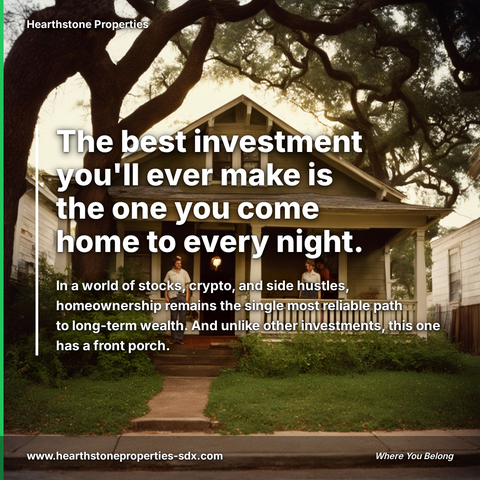
Branded carousels, graphics, and posts, tailored to your message.


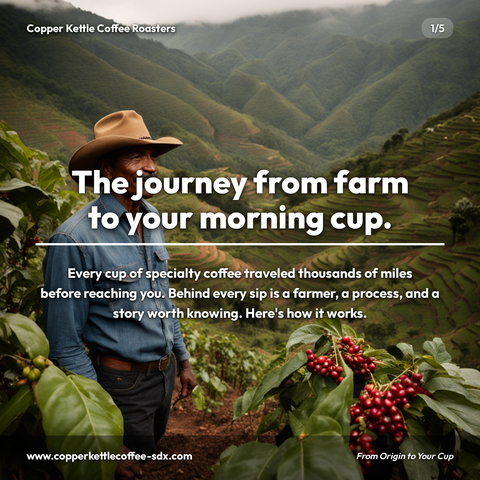




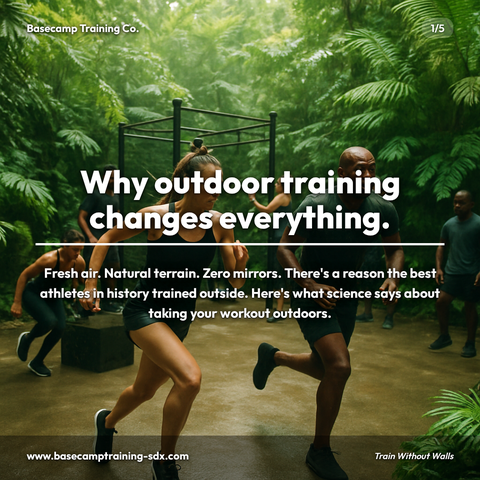
Carousels
5-slide branded PDF, ready to post on LinkedIn and social media.
Branded Graphics
Single eye-catching image with your brand colors and message.
Text Posts
Thought leadership copy, ready to paste and publish.
What is Renewable Energy Companies social media content?
Social media content for Renewable Energy Companies refers to strategically crafted posts, carousels, and case studies designed to educate stakeholders on technical financing strategies, technology comparisons, and project execution insights. This matters significantly for renewable energy professionals because LinkedIn engagement directly influences developer relationships, investor confidence, and corporate partnership opportunities, ultimately driving pipeline growth and revenue. High-performing content in this sector includes interactive carousels breaking down ITC and PTC stacking strategies for commercial solar, infographics comparing LCOE assumptions across renewable technologies, and case studies highlighting interconnection timeline improvements. LinkedIn carousels hold up as a saved reference long after the feed has moved on, making them essential for visibility. Rather than spending hours researching and designing content, renewable energy companies can leverage platforms like Zvario to generate this content in under 2 minutes from a single topic, ensuring consistent, authoritative presence without resource strain.
Corporate Renewable Energy Buyers Are Making LinkedIn-Influenced Decisions
Corporate sustainability directors, CFOs evaluating energy procurement strategy, and real estate developers incorporating renewable energy into capital plans are LinkedIn professionals actively researching solar, wind, and storage solutions. Companies that publish educational content on levelized cost of energy (LCOE), power purchase agreement (PPA) structures, and investment tax credit (ITC) stacking reach these decision-makers at the exact moment they're forming vendor shortlists and evaluating competitive bids. Content that translates complex energy economics into clear ROI narratives converts LinkedIn engagement into qualified sales conversations.
Clean Energy Expertise Content Builds Installer, Developer, and EPC Credibility
Commercial developers, engineering-procurement-construction (EPC) contractors, and community solar sponsors evaluate technical depth and market knowledge before committing to partnership discussions. LinkedIn content demonstrating mastery of interconnection timelines, state-by-state incentive landscapes, and project financing mechanisms establishes the professional credibility that generates inbound partnership inquiries. Detailed posts on FERC interconnection queue dynamics or renewable energy credit (REC) market trends signal expertise that B2B buyers actively seek.
Thought Leadership Positions Your Company as Market Authority
Renewable energy markets shift rapidly—new incentive programs launch, grid interconnection rules change, and technology economics evolve quarterly. Publishing timely analysis on inflation reduction act provisions, state renewable portfolio standards, or emerging storage deployment trends positions your company as a trusted intelligence source. LinkedIn audiences follow companies that help them stay ahead of regulatory and market changes, creating consistent touchpoints with active buyers throughout their decision cycles.
Lead Generation Through Educational Content Series
Carousels, infographics, and educational breakdowns about commercial solar project economics, battery storage ROI, or community solar investment structures attract engaged professionals ready to evaluate solutions. Each piece of content can include clear CTAs linking to your financing calculator, developer partnership portal, or technical resource library. Consistent educational publishing builds a pipeline of warm inbound leads from sustainability professionals and project developers actively comparing vendors.
Network Building with Industry Partners and Complementary Vendors
Renewable energy projects require coordination across developers, equipment suppliers, financing providers, and regulatory specialists. Publishing content about successful project partnerships, case studies on cross-functional collaboration, and industry event recaps helps you build visibility with complementary vendors and ecosystem partners. Strategic networking content on LinkedIn converts visibility into joint ventures, referral relationships, and co-marketing opportunities that expand your market reach.
What you can create for Renewable Energy Companies
- Interactive carousels breaking down ITC and PTC stacking strategies for commercial solar projects
- Infographics comparing LCOE assumptions across different renewable energy technologies and financing models
- Case study posts highlighting utility interconnection timeline reductions and lessons learned
- Educational threads on corporate PPA negotiation benchmarks and standard contract terms
- Monthly regulatory update graphics tracking state renewable portfolio standards and incentive changes
- Developer partnership spotlights showing co-developed projects and cross-sector collaboration results
- Finance-focused graphics explaining battery storage ROI calculations and tax incentive applications
- Market analysis posts on renewable energy credit (REC) pricing trends and procurement strategies
Sample topics to get started
Frequently asked questions
Renewable energy policy changes constantly—how do we keep our content relevant without constant rewrites?
Separate your content into two categories: timely policy and incentive updates (publish immediately as changes occur) and evergreen framework content on energy economics and project fundamentals. Use Zvario's content inspiration feature to generate topic ideas and angles as new incentives, interconnection rules, or tax code changes emerge. This hybrid approach lets you stay current while building a library of durable content assets.
Should we focus on residential or commercial renewable energy content?
Commercial and industrial renewable energy content reaches LinkedIn's professional decision-maker audience most effectively. Residential solar marketing belongs on consumer channels. Focus your LinkedIn strategy on utility-scale development, commercial/industrial on-site solar, community solar projects, and battery storage applications where you'll engage CFOs, sustainability directors, and project developers.
How do we maintain technical credibility while writing for non-engineer buyers?
Translate technical concepts into business language without oversimplifying. Explain interconnection processes through the lens of project timeline risk, discuss REC markets in terms of revenue certainty, and frame tax credits as NPV calculations. Zvario's content customization features help you tailor the same technical concept for different audience segments—sustainability directors, CFOs, and engineering partners all need the same information presented differently.
What metrics should we track to know if our renewable energy content is working?
Track engagement on educational content (solar economics posts, incentive breakdowns), monitor click-through rates to your developer portal or financing calculator, and measure conversion of LinkedIn connections to pipeline opportunities. Sales team feedback on whether inbound leads mention your content is the strongest indicator. Use Zvario's analytics to identify which content topics and formats generate the most qualified engagement from your target buyer segments.
How often should we publish content to stay visible without overwhelming our team?
Renewable energy buyers check LinkedIn weekly but don't expect daily updates. A sustainable publishing cadence is 2-3 times per week with a mix of timely market commentary and evergreen educational content. Use Zvario's content calendar to batch-plan your month of posts, schedule them in advance, and maintain consistency without requiring daily content creation from your team.
How much does branded social media content cost with Zvario?
Zvario is free to start with 5 creations and no credit card. Starter is $19.95 a month for up to 80 creations a week, and Pro is $39.99 a month for up to 130 plus one-click posting to your connected accounts. There are no per-piece design fees, so cost stays predictable as you post more.
How long does it take to make one branded post?
About a minute of your time. You enter a topic, Zvario returns a finished branded carousel, graphic, or post, and you review and publish. No design tool, no template hunting.
Explore More
Build your renewable energy business on LinkedIn
Try it free — no credit card needed.
Start FreeFree to start. See plans and pricing