
LinkedIn Content on Remote Work Culture
LinkedIn content that builds your remote work expertise reputation and attracts the distributed teams and talent who value what you offer.
Start FreeFree to start. See plans and pricing
See what Zvario creates
Branded carousels, graphics, and posts, tailored to your message.

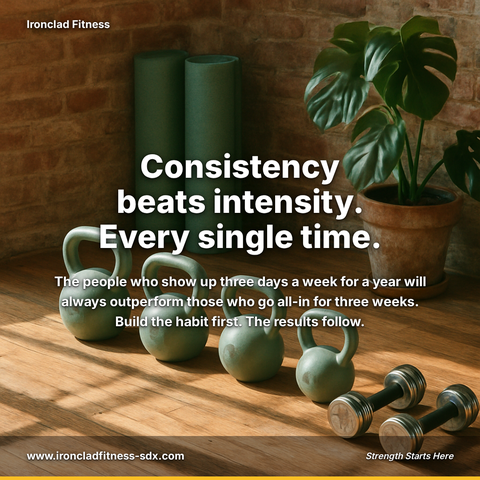
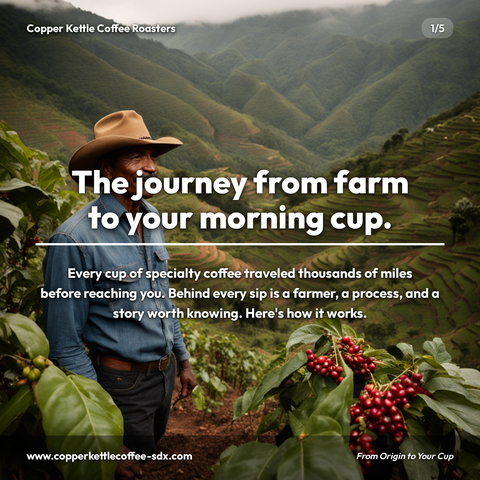


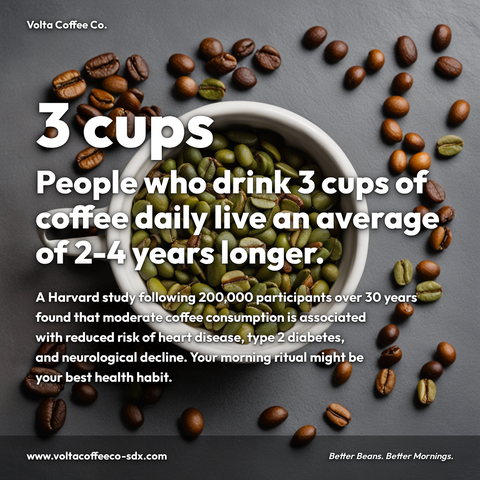


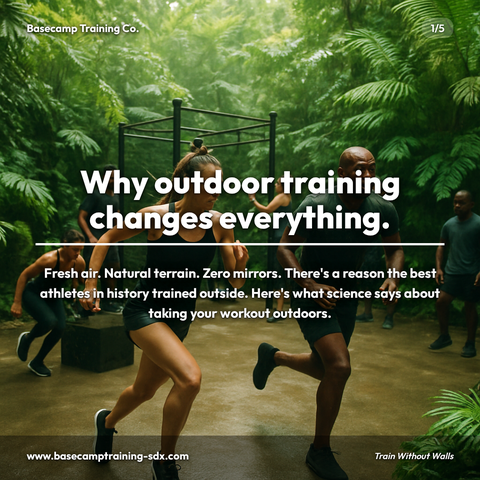
Carousels
5-slide branded PDF, ready to post on LinkedIn and social media.
Branded Graphics
Single eye-catching image with your brand colors and message.
Text Posts
Thought leadership copy, ready to paste and publish.
What is Remote Work Culture social media content?
Social media content for Remote Work Culture refers to LinkedIn posts, carousels, and case studies that demonstrate your expertise in building, scaling, and maintaining cohesive teams across distributed environments. This matters because remote work authority directly attracts high-value clients seeking to implement async frameworks, improves your hiring pipeline by showcasing strong culture metrics, and establishes you as a trusted advisor in an increasingly distributed job market. Effective Remote Work Culture content includes async communication frameworks with step-by-step visuals, culture playbook infographics covering onboarding and manager training, and detailed case studies showing how you've scaled teams while preserving psychological safety, formats that keep a reader on the post while the point develops. Building this content consistently positions you as the go-to expert for organizations struggling with distributed team challenges. Rather than spending hours researching and writing, Zvario generates this content in under 2 minutes from a single topic, allowing you to publish weekly without the production bottleneck.
Remote Work Culture Is Candidates' Most-Researched Employer Attribute
Candidates evaluating remote-friendly employers research culture, communication practices, and work-life balance extensively before applying. LinkedIn content that demonstrates your remote work philosophy, async communication approach, and distributed team practices attracts the self-directed professionals who thrive in remote environments — and filters out those who would struggle. Publishing authentic insights into your culture signals that your organization has intentionally designed for distributed work, which resonates strongly with high-performing candidates who've experienced poorly managed remote environments.
Async-First Communication Is Your Competitive Advantage in Talent Attraction
Remote work success depends on eliminating unnecessary synchronous meetings and building systems where knowledge is documented, decisions are transparent, and team members can operate across time zones. Professionals recognize that organizations publishing about their async frameworks — decision-making protocols, documentation standards, communication guidelines — have solved problems that plague distributed teams. Content demonstrating how you've reduced meeting load, improved transparency, and enabled asynchronous decision-making positions your company as a mature remote employer that people actively want to join.
Remote Work Thought Leadership Opens Speaking and Advisory Opportunities
As remote and hybrid work become permanent fixtures of professional life, the demand for genuine remote work expertise — in culture design, async communication, distributed team management — continues to grow. Professionals and organizations who publish consistently on these topics build speaking opportunity pipelines, advisory relationships, and consulting engagements in a rapidly professionalizing domain. Thought leadership on how you've scaled culture across distributed teams establishes you as an expert in one of the most relevant workplace challenges facing modern organizations.
Building Trust With Remote Talent Through Authentic Culture Documentation
Remote candidates cannot evaluate culture through office visits or hallway conversations, so they rely on documented, detailed insights into how your organization actually operates day-to-day. Sharing content about your onboarding rituals, how you celebrate wins across distributed teams, your approach to manager training for remote leadership, and how you measure psychological safety creates transparency that converts skeptical candidates into confident applicants. This level of cultural visibility is especially valuable for organizations competing for talent across geographies where in-person evaluation is impossible.
Network Expansion Through Remote Work Community Engagement
Remote work practitioners actively follow, engage with, and network around content addressing their specific challenges. Publishing on topics like burnout prevention in remote roles, managing distributed team dynamics, or designing inclusive hybrid meetings connects you directly with operations leaders, HR directors, and managers solving these problems in real time. This consistent engagement creates a recognizable professional presence within the remote work community, opening doors to partnerships, referrals, and collaborative opportunities with complementary organizations and service providers.
What you can create
- Async communication framework carousels: Step-by-step visuals explaining your decision-making protocols, documentation standards, and how meetings are eliminated through structured async processes
- Remote culture playbook graphics: Infographics breaking down your approach to onboarding, team bonding, manager training, and culture metrics across distributed teams
- Distributed team management case studies: Detailed posts analyzing how you've scaled from 50 to 500 employees while maintaining culture and psychological safety
- Manager enablement content series: Posts addressing specific remote leadership challenges like 1:1 structure across time zones, recognizing contributions asynchronously, and preventing isolation
- Hybrid work integration templates: Shareable frameworks for designing hybrid schedules, in-person collaboration time, and equitable participation for remote attendees
- Remote retention and burnout prevention posts: Data-driven insights into how your organization prevents remote-specific challenges like context-switching, always-on culture, and overwork
- Time zone strategy and inclusion content: Posts detailing how you've structured operations, meeting schedules, and decision windows to include people across multiple geographies
- Remote hiring interview and assessment guides: Concrete guides showing your approach to evaluating remote collaboration skills, self-direction, and communication abilities during candidate evaluation
Sample topics to get started
Frequently asked questions
Is remote work content still relevant as return-to-office trends grow?
Hybrid work is now the dominant model globally, and remote-first companies continue to grow. Remote work expertise remains highly relevant for hiring, retention, culture, and leadership — the debate has shifted from 'should we be remote' to 'how do we make hybrid work well.' Using Zvario to document and share your hybrid infrastructure makes your organization visible to talent evaluating remote flexibility.
Who is the LinkedIn audience for remote work content?
HR leaders, operations directors, distributed team managers, talent acquisition professionals, and remote workers at every level actively consume remote work content. It's among LinkedIn's highest-engagement professional topics. Zvario helps you tailor your content to speak directly to these audiences with industry-specific language and frameworks they recognize.
How can I make remote culture content authentic without revealing sensitive operational details?
Focus on frameworks, principles, and outcomes rather than specific internal tools or confidential metrics. Share your decision-making philosophy, communication standards, and cultural values alongside redacted examples. Zvario's content templates can guide you toward the specificity that builds credibility while protecting proprietary information.
What remote work content formats generate the most engagement and lead generation?
Detailed how-to content (case studies, step-by-step frameworks, playbooks with templates) and carousel posts breaking down processes drive both engagement and inbound interest from managers implementing similar changes. Zvario's content builder supports these formats, allowing you to create branded, consistent frameworks that candidates and peers can easily understand and share.
How often should we publish remote work culture content to build thought leadership?
Consistency matters more than frequency — aim for 2-4 substantial posts monthly that explore different aspects of your remote infrastructure (async communication, hiring, retention, manager development, hybrid logistics). Zvario's planning and scheduling tools help you maintain a sustainable publishing rhythm while building a recognizable body of work over time.
What is the fastest way to create content on this topic?
Enter the topic and Zvario returns a finished, branded carousel, graphic, or post in about a minute. You review, adjust wording if you want, and publish.
Is there a free way to try it?
Yes. Zvario gives you 5 free creations with no credit card. Ongoing use is $19.95 a month on Starter for up to 80 creations a week, or $39.99 a month on Pro for up to 130 plus one-click posting.
Explore More
Share your remote work expertise on LinkedIn
Try it free — no credit card needed.
Start FreeFree to start. See plans and pricing