
LinkedIn Content for Registered Dietitians
LinkedIn content that differentiates your RD credentials and builds a practice through demonstrated clinical nutrition expertise.
Start FreeFree to start. See plans and pricing
See what Zvario creates
Branded carousels, graphics, and posts, tailored to your message.


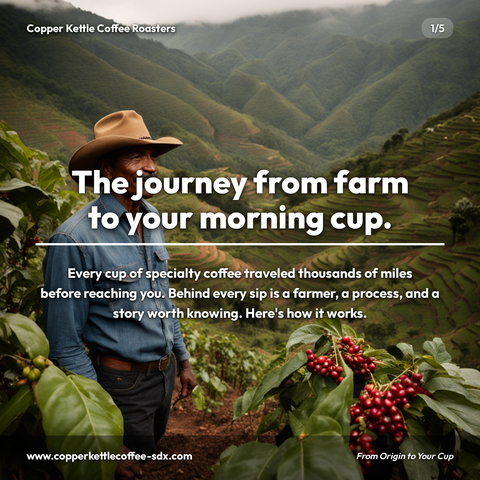
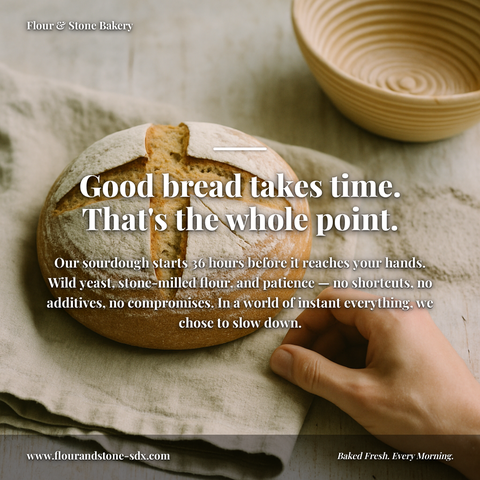

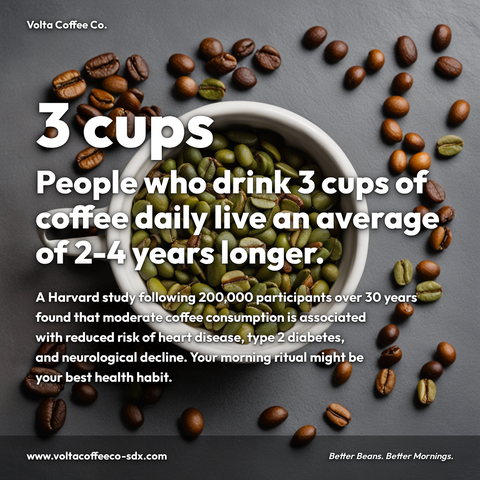
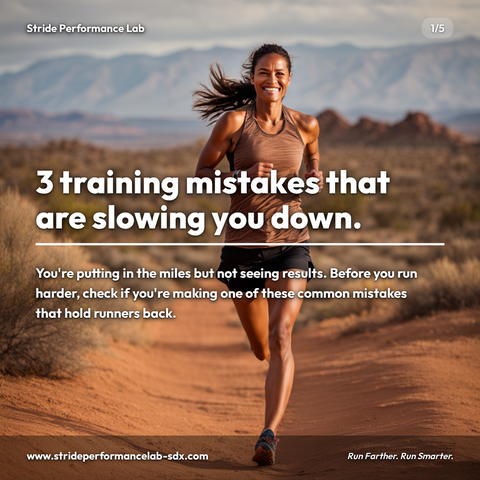
Carousels
5-slide branded PDF, ready to post on LinkedIn and social media.
Branded Graphics
Single eye-catching image with your brand colors and message.
Text Posts
Thought leadership copy, ready to paste and publish.
What is Registered Dietitians social media content?
Social media content for Registered Dietitians refers to LinkedIn posts and carousels that showcase clinical nutrition expertise, evidence-based practice, and the unique value of RD credentials to build professional authority and attract clients. This matters because RDs differentiate themselves in a crowded nutrition space through demonstrated competency, establishing credibility directly influences client acquisition, practice growth, and positioning as the gold standard provider versus unqualified competitors. LinkedIn carousels invite the swipe that a single image never asks for, making them ideal for sharing Medical Nutrition Therapy education, evidence-based myth corrections, and de-identified clinical case studies that illustrate your assessment and intervention process. By consistently publishing content that highlights the RD-specific scope of practice, including nutrition diagnoses, targeted interventions, and monitoring outcomes for complex conditions, dietitians build trust with potential clients and referral sources. Zvario streamlines this strategy by generating clinical-grade LinkedIn content in under 2 minutes from a single topic, enabling RDs to maintain consistent visibility without the time burden of writing content from scratch.
Your RD Credential Matters — Show It Through Content
Registered Dietitians have earned the NCNDA credential through rigorous didactic and supervised practice programs that separate them clinically from wellness coaches and unregistered nutritionists. LinkedIn content that demonstrates your evidence-based practice, medical nutrition therapy expertise, and specialized credentials builds the authority that attracts both individual clients seeking clinical care and healthcare systems seeking dietitian referral partnerships. When you consistently share content grounded in research and clinical experience, you position yourself as a trusted resource rather than another nutrition influencer.
Content for Medical Nutrition Therapy and Complex Clinical Cases
RDs serve clients with conditions requiring medical nutrition therapy: Type 2 diabetes requiring carbohydrate counting and insulin coordination, inflammatory bowel disease nutrition management, renal nutrition for CKD stages 3-5, oncology nutrition during active treatment, and pediatric feeding disorders with swallowing dysfunction. Content that demonstrates your specialty depth—whether it's FODMAP protocol implementation, MNT coding and billing, or enteral feeding tube management—builds referral relationships with physicians, gastroenterologists, oncologists, and therapists who specifically seek RD expertise for their most complex cases.
Building Visibility Among Healthcare Decision-Makers
Physicians, hospital nutrition directors, and clinical program managers actively search LinkedIn for RD specialists in specific clinical areas. By creating content around your scope of practice—whether that's gestational diabetes prevention, post-bariatric surgery nutrition, or sports nutrition for collegiate athletes—you increase discoverability among healthcare systems actively hiring, referring, or contracting with dietitians. Strategic content about your certifications (CEDRD, CNSC, CSO) and clinical focus areas positions you where healthcare decision-makers are looking.
Establishing Thought Leadership in Your Specialty
Content that addresses common misconceptions in nutrition science, discusses emerging research in your practice area, and translates clinical guidelines into practical insight establishes you as a thought leader within your niche. Whether you're clarifying protein requirements for renal patients, explaining the evidence on intermittent fasting, or breaking down the Academy of Nutrition and Dietetics position statements, this content demonstrates the clinical reasoning that distinguishes RD-level practice and attracts both clients and referral sources seeking expertise.
Networking and Collaboration Opportunities
LinkedIn content creates opportunities to build professional networks with complementary healthcare providers—therapists specializing in eating disorders, primary care physicians, specialty nurses, and other RDs in your region or specialty. By engaging authentically around clinical topics and sharing your expertise, you develop professional relationships that lead to referrals, collaboration on patient cases, and speaking opportunities at healthcare institutions, continuing education events, or professional conferences.
What you can create for Registered Dietitians
- Medical nutrition therapy (MNT) education carousels explaining the RD-specific assessment, intervention, and monitoring process for specific diagnoses
- Evidence-based nutrition myth correction posts targeting common misconceptions (e.g., 'Why keto isn't appropriate for every metabolic condition')
- Clinical case study posts (de-identified) showing your nutrition assessment and intervention process for complex clients
- Specialty certification and credential posts highlighting CEDRD, CNSC, CSO, or other credentials and what they mean clinically
- Healthcare referral relationship posts specifically addressing physicians, PAs, and nurse practitioners as your audience
- Nutrition protocol and guideline interpretation posts explaining Academy or clinical guidelines in practical terms
- Scope of practice clarification posts differentiating RD qualifications from nutrition coaches, wellness advisors, and unregistered practitioners
- Continuing education and professional development posts sharing insights from recent RD conferences, webinars, or published research you're implementing
Sample topics to get started
Frequently asked questions
How can Zvario help me show the difference between my RD credential and nutrition coaches?
Zvario generates content tailored to highlight your clinical training, medical nutrition therapy expertise, and evidence-based approach. The platform can craft posts around your specific credentials and scope of practice, helping you communicate—without defensiveness—why RDs are the clinically trained providers healthcare systems and complex clients need.
Can I use Zvario to create content that targets physician and healthcare administrator referral sources specifically?
Yes. Zvario allows you to tailor messaging to healthcare decision-makers by focusing on clinical expertise, specialty credentials, referral processes, and outcomes data relevant to the providers and systems you want to partner with. You can create content that speaks directly to what physicians and hospitals are looking for in RD specialists.
What kind of content works best for building credibility in a specialized nutrition area like renal or oncology?
Zvario helps you create detailed, research-backed content around your specialty—whether that's explaining MNT protocols, interpreting clinical guidelines, addressing common misconceptions, or sharing de-identified case insights. Content that demonstrates your depth in a specific area builds far more credibility than generic nutrition advice.
How often should I post to maintain visibility among healthcare referral sources?
Consistency matters more than frequency. Zvario can help you develop a sustainable posting schedule—typically 1-2 times per week—with high-quality, specialty-focused content that keeps you visible to healthcare decision-makers without overwhelming your schedule. Quality clinical content performs better than daily generic posts.
Can Zvario help me address scope of practice questions in a way that attracts rather than alienates other practitioners?
Yes. Zvario specializes in helping professionals articulate their expertise and credentials clearly and positively. Rather than talking negatively about other practitioners, the platform helps you create content that demonstrates your clinical value and qualifications, naturally positioning you as the appropriate choice for medical nutrition therapy and complex cases.
How much does branded social media content cost with Zvario?
Zvario is free to start with 5 creations and no credit card. Starter is $19.95 a month for up to 80 creations a week, and Pro is $39.99 a month for up to 130 plus one-click posting to your connected accounts. There are no per-piece design fees, so cost stays predictable as you post more.
How long does it take to make one branded post?
About a minute of your time. You enter a topic, Zvario returns a finished branded carousel, graphic, or post, and you review and publish. No design tool, no template hunting.
Explore More
Build your dietitian practice's professional presence
Try it free — no credit card needed.
Start FreeFree to start. See plans and pricing