
LinkedIn Content for Physical Therapists
LinkedIn connects PTs with orthopedic surgeons, sports medicine doctors, and corporate ergonomics programs.
Start FreeFree to start. See plans and pricing
See what Zvario creates
Branded carousels, graphics, and posts, tailored to your message.

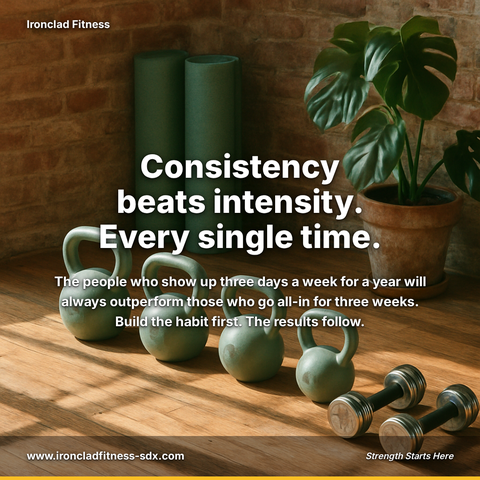
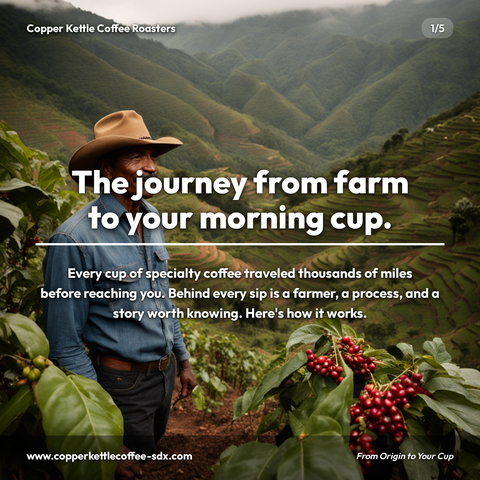


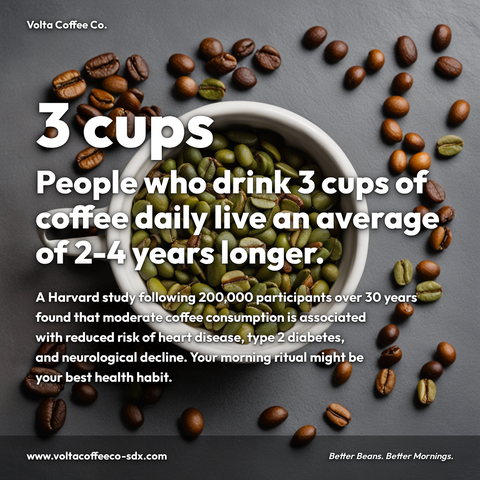



Carousels
5-slide branded PDF, ready to post on LinkedIn and social media.
Branded Graphics
Single eye-catching image with your brand colors and message.
Text Posts
Thought leadership copy, ready to paste and publish.
What is Physical Therapists on LinkedIn social media content?
Social media content for Physical Therapists on LinkedIn refers to strategic posts, carousels, and articles that showcase clinical expertise, patient outcomes, and evidence-based rehabilitation frameworks to build professional authority and strengthen referral relationships. This matters because PTs who consistently demonstrate clinical competency and measurable results attract orthopedic surgeons, sports medicine physicians, and corporate clients, directly expanding your referral network and revenue streams. LinkedIn carousels get saved and re-read in a way single images rarely are, making them ideal for sharing step-by-step assessment processes for common conditions like rotator cuff pathology or detailed biomechanics explanations that resonate with referring physicians. The most effective content balances clinical depth with accessibility, sharing real patient success stories and the specific rehab frameworks that drove results while maintaining HIPAA compliance. Rather than spending hours crafting posts manually, Zvario generates this content in under 2 minutes from a single clinical topic, ensuring consistent, professional output that positions you as a thought leader without adding to your workload.
Why consistent LinkedIn content matters for physical therapists
LinkedIn's algorithm rewards consistent, high-quality content with compounding reach. A single carousel from a physical therapist can generate thousands of impressions per week — the equivalent of months of cold outreach. The professionals who post regularly don't just build audiences; they build reputations that generate inbound opportunities without asking. For PTs, this means referral sources, speaking opportunities, and patient acquisition flowing directly to your practice.
Establishing clinical credibility through evidence-based insights
Physical therapists who share evidence-based frameworks, research applications, and clinical decision-making processes stand out in a crowded field. LinkedIn content that demonstrates your understanding of movement dysfunction, biomechanics, or your specific specialty — whether orthopedic, neurological, or sports — positions you as someone other professionals trust and refer to. Posts grounded in your clinical experience and backed by peer-reviewed research build authority faster than generic wellness advice.
Generating qualified referrals and practice growth
Unlike traditional marketing, LinkedIn content generates inbound interest from physicians, other healthcare providers, employers, and patients actively looking for specialized PT expertise. By consistently sharing insights about common conditions you treat, red flags you've learned to recognize, or your approach to patient outcomes, you attract people who are already pre-qualified and interested in your work. This shifts the dynamic from hunting referrals to having them arrive naturally.
Carousels and graphics that perform — not generic filler
The highest-performing LinkedIn content for physical therapists shares genuine insights, challenges conventional wisdom in your field, or teaches something specific and actionable. Zvario generates content tailored to your brand voice, clinical background, practice setting, and audience — so every post reflects your actual expertise rather than sounding like a template pulled from a content library. Your voice, your methodologies, your clinical wins — that's what resonates with other healthcare professionals.
Building your thought leadership platform as a PT
Physical therapists who become known for original thinking — whether in injury prevention, rehabilitation innovation, or patient education — create opportunities beyond their daily patient load: consulting engagements, corporate wellness partnerships, continuing education speaking roles, and media appearances. LinkedIn is where other professionals discover these voices. Consistent, substantive content positions you not just as a clinician, but as a thought leader in your specialty.
What you can create
- Clinical decision-making carousels that walk through your assessment process for common conditions (e.g., 'How I Assess Rotator Cuff Pathology in 5 Steps')
- Outcome-driven posts sharing patient success stories and the rehab frameworks that got results (without violating HIPAA)
- Biomechanics deep-dives that explain movement dysfunction in ways referral sources and patients actually understand
- Myth-busting content challenging common misconceptions about PT ('Why 'No Pain, No Gain' is Holding Back Your Recovery')
- Injury prevention frameworks for specific populations (athletes, desk workers, overhead workers) that establish your specialty
- Research commentary posts analyzing recent studies relevant to your practice area and what they mean clinically
- Behind-the-scenes clinic content humanizing your practice and showing your patient-centered approach
- Career advice and mentorship posts for PT students and early-career therapists looking to build their own credibility
Sample topics to get started
Frequently asked questions
What kind of LinkedIn content works best for physical therapists?
Carousels that teach specific assessment frameworks, challenge common misconceptions about treatment, or share data-backed clinical insights consistently outperform generic motivational posts. For physical therapists, content that draws on real clinical experience — lessons learned from patient outcomes, patterns you've observed across your practice, treatment approaches that shifted results — resonates most with referral sources, other healthcare providers, and patients seeking specialized care. Zvario tailors every post to your specialty and clinical philosophy.
How does Zvario tailor content to my clinical background and practice setting?
During onboarding, you describe your specialty, patient population, practice type (clinic, hospital, concierge, etc.), clinical frameworks you use, and your professional voice. Zvario generates every carousel and post with that context embedded — your clinical insights, your treatment approach, your professional perspective. You're not editing a template; you're getting content written specifically for your practice that reflects your actual expertise and methodology.
How much time does it take to maintain a strong LinkedIn presence as a busy PT?
Posting 2-3 times per week takes about 30 minutes total if you're not writing from scratch — but that's exactly where Zvario helps. We generate the carousels and posts aligned with your clinical voice; you spend 10-15 minutes reviewing and personalizing before posting. The consistency compound over weeks and months, so the 2-3 hours per week now translates into months of inbound referrals and visibility later.
Can Zvario help me position my specific PT specialty (orthopedic, neuro, sports, pelvic health)?
Yes. Zvario learns your specialty and generates content that speaks directly to your niche. If you treat pelvic floor dysfunction, your posts will reflect that expertise and speak to the specific audience seeking that care. If you specialize in post-surgical ACL rehab or concussion management, every post is customized to that clinical focus. This positioning attracts the right referrals and establishes you as a specialist, not a generalist.
How do I ensure my content complies with patient confidentiality and professional standards?
Zvario generates content that highlights your frameworks, methodologies, and general clinical insights without requiring patient data or case details. When you do reference patient outcomes or examples, we help you frame them in HIPAA-compliant ways that maintain confidentiality while still demonstrating your results. You always maintain complete control over what's published, so you can ensure every post aligns with your professional ethics and state licensing requirements.
How can I post consistently without a design background?
Enter a topic and Zvario returns finished, branded content you can post as is. Consistency stops depending on design skill or free time, which is the usual reason posting slips.
What does it cost to get started?
Zvario is free for your first 5 creations with no credit card. Starter is then $19.95 a month for up to 80 creations a week, and Pro is $39.99 a month for up to 130 plus one-click posting. You can prove it works on real content before paying.
Explore More
Start building your LinkedIn presence today
Try it free — no credit card needed.
Start FreeFree to start. See plans and pricing