
LinkedIn Content for Paid Media Specialists
LinkedIn content that builds your paid media expertise and attracts clients ready to invest in campaigns that actually convert.
Start FreeFree to start. See plans and pricing
See what Zvario creates
Branded carousels, graphics, and posts, tailored to your message.
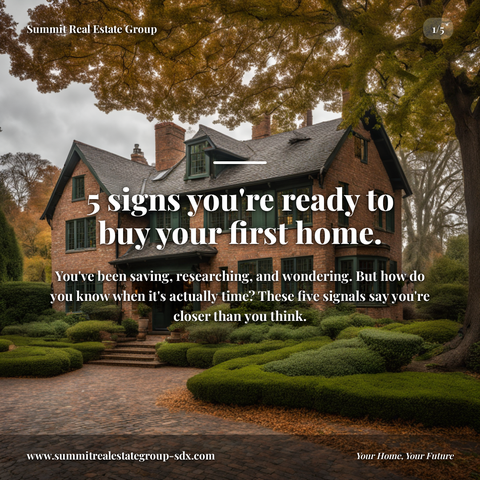
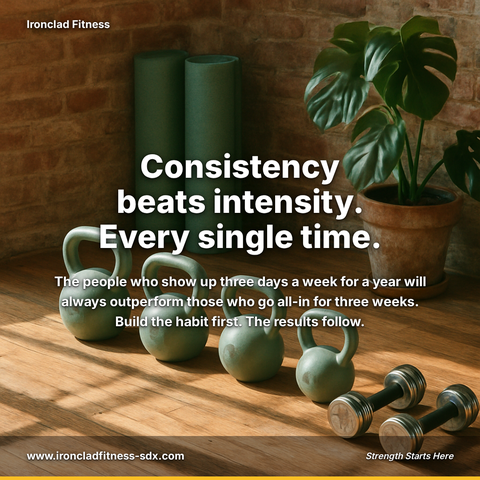
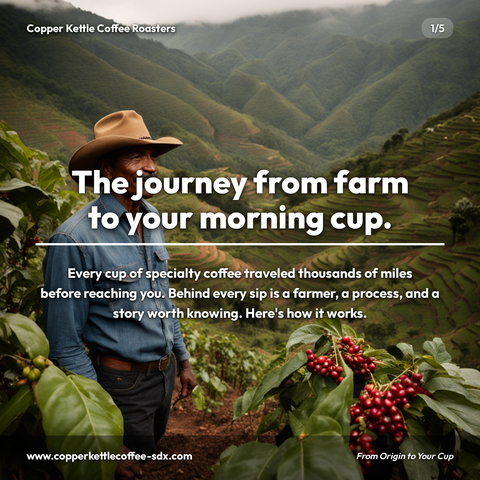
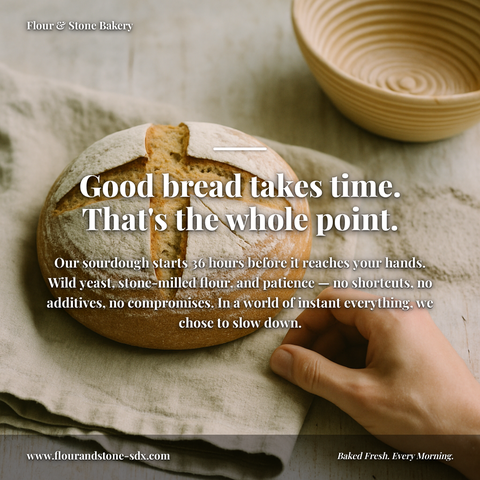

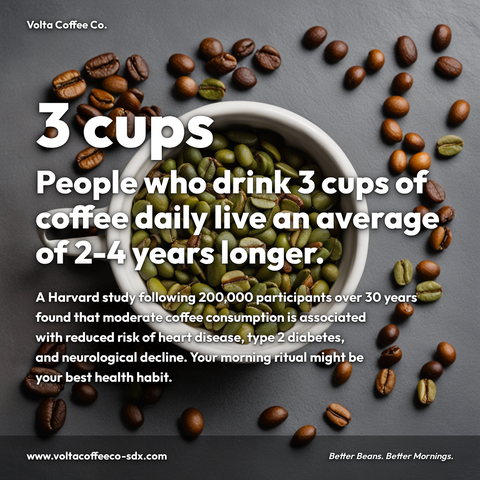


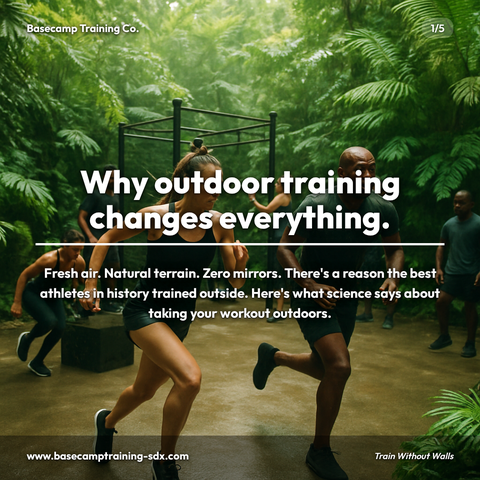
Carousels
5-slide branded PDF, ready to post on LinkedIn and social media.
Branded Graphics
Single eye-catching image with your brand colors and message.
Text Posts
Thought leadership copy, ready to paste and publish.
What is Paid Media Specialists social media content?
Social media content for Paid Media Specialists refers to LinkedIn posts, carousels, and educational content designed to demonstrate paid advertising expertise, showcase campaign performance metrics, and position specialists as trusted authorities in conversion optimization. This matters because it directly influences client acquisition, establishes thought leadership in a competitive market, and signals capability to prospects evaluating which agencies or consultants can deliver measurable ROI. Effective content includes campaign structure comparisons (Smart Campaigns versus manual optimization), ROAS visualizations with industry benchmarks by vertical, and platform update breakdowns with actionable adaptation strategies, content that resonates with decision-makers ready to invest in high-performing campaigns. LinkedIn carousels give a reader something to swipe through instead of scroll past, making them ideal for explaining complex PPC concepts. This type of content builds credibility while attracting qualified leads who understand the value of professional paid media management. Rather than manually creating these assets, Zvario generates this content in under 2 minutes from a single topic, enabling specialists to maintain consistent LinkedIn presence without sacrificing campaign management time.
Paid Media Specialists Who Demonstrate Performance Thinking Win Better Clients
Marketing directors evaluating paid media agencies and consultants want evidence of strategic thinking, not just claimed results. LinkedIn content that demonstrates your approach to audience targeting, bid strategy, creative testing, and attribution builds the professional credibility that generates conversations with marketing leaders who have meaningful budgets — rather than clients shopping only on management fee percentage. Visual frameworks that explain your methodology (funnel strategy, bid architecture, quality score optimization) position you as a specialist who thinks systematically about performance, not just someone who manages accounts.
Platform Algorithm Changes Are Your Most Engaging Content Opportunity
Every significant update to Google Ads automation, Meta's Advantage+ campaigns, or LinkedIn's conversion tracking represents a content opportunity for paid media specialists. Marketers who depend on these platforms but don't work in them daily are actively seeking expert interpretation of what changed, why it matters, and how to adapt their strategy. Being first and clearest with relevant, actionable commentary on platform changes builds an audience of decision-makers who will eventually hire you, refer you, or contract you for specialist audits and optimization.
Benchmark Data and Industry Comparisons Establish Authority Without Client Confidentiality
You can demonstrate expertise and build credibility without exposing any client information by publishing industry benchmarks, competitive analysis, and category-specific performance trends. Average ROAS by vertical, CPC benchmarks by industry, quality score distributions, and cost-per-conversion ranges all provide proof of performance knowledge while protecting client confidentiality. This type of content positions you as someone who understands the landscape at scale and gives prospective clients immediate context for evaluating their own performance.
Platform Specialization Attracts Higher-Intent Leads Than Generalist Positioning
Marketing leaders searching for solutions typically need specialists — a Google Ads expert, a Meta creative strategist, or a LinkedIn B2B campaign architect — rather than generalist paid media consultants. Committing your content strategy to one platform's ecosystem (bid strategies, audience matching, creative best practices, platform-specific metrics) attracts clients who specifically need that mastery and are willing to pay for it. This focused positioning also makes it easier to build a coherent content narrative and stay ahead of platform-specific changes and feature releases.
Thought Leadership Content Builds Referral Networks With Agency Partners and Consultants
Paid media specialists often work alongside brand strategists, analytics consultants, and creative directors who refer clients to specialists they trust. Publishing detailed case studies, strategic frameworks, and performance methodology on your professional channels builds visibility with other professionals in the ecosystem who recommend you to their clients. Content that explains your philosophy on things like attribution modeling, creative testing protocols, or budget allocation strategies gives potential referral partners concrete reasons to vouch for your expertise to their network.
What you can create for Paid Media Specialists
- Campaign structure comparison carousels (Smart Campaigns vs. manual optimization, Performance Max vs. traditional search)
- ROAS and efficiency metrics visualizations with industry benchmarks by vertical
- Platform update breakdown posts with actionable adaptation strategies
- Bid strategy framework posts (target CPA, ROAS targets, maximize conversions logic)
- Creative testing methodology graphics (sample sizes, iteration cycles, winning pattern analysis)
- Quality Score optimization deep-dives with before/after account examples
- Attribution model explainers and multi-touch ROI calculation frameworks
- Competitive analysis posts on ad copy positioning and creative themes by industry
Sample topics to get started
Frequently asked questions
How do I share campaign performance without violating client confidentiality agreements?
Focus on methodology, strategic frameworks, and anonymized benchmark data rather than specific client results. Industry averages, platform-specific ROAS ranges by vertical, and historical trend analysis all demonstrate expertise without client disclosure. Use Zvario's customizable branding to build a professional backdrop for these insights while maintaining confidentiality.
Should I position myself as a platform specialist or demonstrate multi-platform expertise?
Platform specialization builds the most credible positioning and attracts higher-intent leads. Google Ads specialists, Meta performance specialists, and LinkedIn B2B campaign architects each attract specific client segments willing to pay for deep expertise. Build your content strategy around one platform's ecosystem to establish clear authority and stay current with that platform's changes.
What content format works best for explaining paid media strategy to non-specialist audiences?
Carousel posts with step-by-step strategy frameworks, performance comparison graphics, and before/after account examples work well on professional platforms. Use Zvario's design flexibility to create visual content that breaks down complex concepts like bid architecture or attribution modeling into digestible frames that marketing directors without paid media expertise can quickly understand.
How often should I publish platform update commentary to stay relevant?
Post immediately after significant platform announcements with your interpretation and adaptation strategy. Between major updates, publish bi-weekly or monthly content on testing protocols, optimization tactics, and industry benchmarks relevant to your specialization. Consistency matters more than volume — maintain a predictable posting schedule so your audience knows when to expect insights from you.
How can I use Zvario to build credibility with agencies and consultants who might refer clients?
Use Zvario's branded content format to publish detailed strategic frameworks, case study methodologies, and performance philosophies that other marketing professionals can understand and confidently reference when recommending you. Create content that answers the 'why' behind your approach, not just the 'what' — this gives referral partners concrete proof points to share with their networks.
How can I post consistently without a design background?
Enter a topic and Zvario returns finished, branded content you can post as is. Consistency stops depending on design skill or free time, which is the usual reason posting slips.
What does it cost to get started?
Zvario is free for your first 5 creations with no credit card. Starter is then $19.95 a month for up to 80 creations a week, and Pro is $39.99 a month for up to 130 plus one-click posting. You can prove it works on real content before paying.
Explore More
Build your paid media practice on LinkedIn
Try it free — no credit card needed.
Start FreeFree to start. See plans and pricing