
LinkedIn Content for Mobile App Development Companies
LinkedIn content that builds client confidence in your mobile development process and attracts product-led organizations.
Start FreeFree to start. See plans and pricing
See what Zvario creates
Branded carousels, graphics, and posts, tailored to your message.

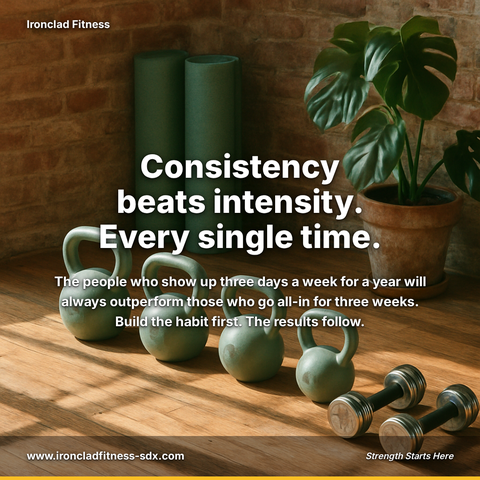
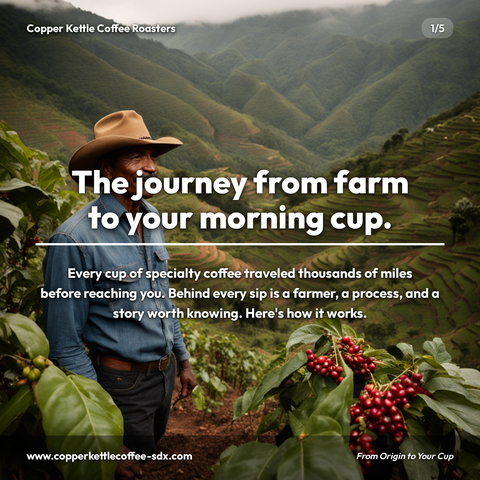


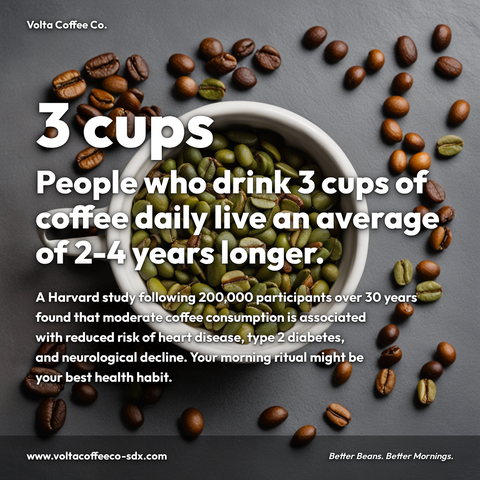

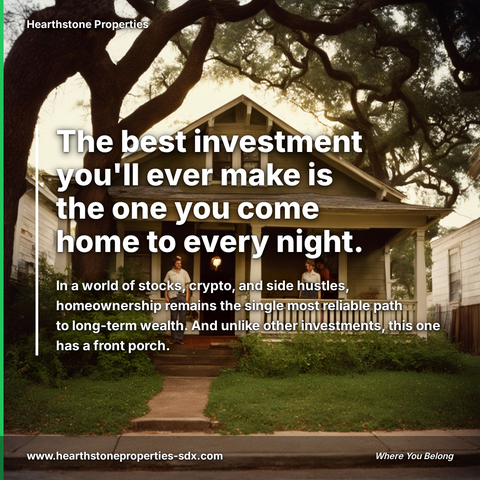
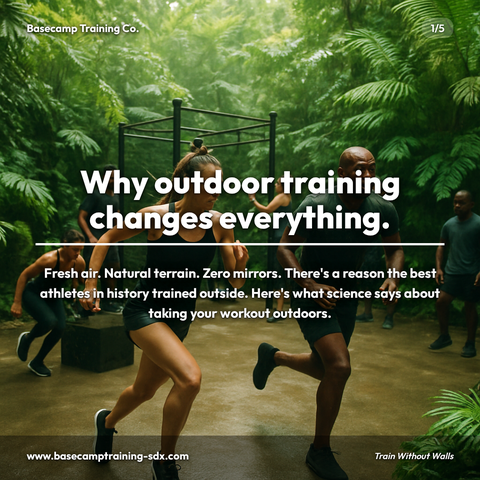
Carousels
5-slide branded PDF, ready to post on LinkedIn and social media.
Branded Graphics
Single eye-catching image with your brand colors and message.
Text Posts
Thought leadership copy, ready to paste and publish.
What is Mobile App Development social media content?
Social media content for Mobile App Development refers to strategic LinkedIn posts, carousels, and case studies that showcase your technical expertise, development methodology, and measurable results to potential clients and partners. This matters because product-led organizations evaluate your process quality and technical credibility before engaging, strong social proof directly influences deal velocity and attracts better-fit clients willing to invest in premium development services. Effective mobile app development content includes architecture decision comparisons (monolithic vs microservices), platform-specific feature parity guides, and documented performance wins like load time reductions or crash rate fixes. LinkedIn carousels make room for the detail a single graphic has to leave out, making them ideal for technical content that builds authority. Rather than spending hours researching and designing each post, teams use platforms like Zvario to generate publication-ready content that demonstrates your competitive advantages and technical depth. Zvario generates this content in under 2 minutes from a single topic, enabling consistent LinkedIn visibility without the resource drain.
App Buyers Research Development Firms on LinkedIn Before Reaching Out
Startup founders, product managers, and corporate innovation teams researching mobile development partners are evaluating your thought leadership before they ever contact you. LinkedIn content that demonstrates your process, technology choices, and past project outcomes builds the trust that converts research into inbound inquiry. When prospects search for "React Native development" or "iOS app development agency," your published insights about platform selection and architecture decisions position you as the strategic partner they need.
Show Process, Not Just Portfolio
Portfolio screenshots are expected—what differentiates mobile development firms is demonstrating how you think about product decisions, performance optimization, and user experience. LinkedIn content on your development methodology, discovery process, and platform tradeoffs signals expertise that goes beyond shipping features. Posts breaking down your approach to API architecture, state management, or push notification strategies prove you understand the technical challenges clients actually face.
Build Credibility Through Technical Insight
Prospects want to know if you understand their specific platform challenges: app store optimization, crash rate reduction, offline-first architecture, or payment integration complexity. Publishing content that addresses real technical decisions—comparing Kotlin vs Java performance, explaining SwiftUI adoption, or documenting your CI/CD pipeline—establishes you as a firm that thinks deeply about execution. This technical credibility is what separates generalist agencies from specialists who command premium rates.
Generate Qualified Leads Through Audience Targeting
LinkedIn content works best when tailored to your actual buyer segments. Startup founders need to understand MVP scope and timeline; enterprise teams need assurance on security, compliance, and scalability. Zvario's content customization lets you address both audiences without diluting your message—creating startup-focused posts about lean development cycles while publishing enterprise-focused case studies about HIPAA compliance or multi-region deployment. This targeted approach attracts leads pre-qualified by business context, not just technology interest.
Strengthen Industry Networks and Partnership Opportunities
Mobile development firms that publish regularly attract partnership inquiries from complementary service providers—cloud platforms, analytics tools, design agencies, and growth teams. Your content on performance monitoring, user retention, or feature rollout strategies creates natural conversation starters with teams looking to collaborate. Consistent visibility also builds relationships with other technical leaders, creating referral networks and co-marketing opportunities that compound over time.
What you can create for Mobile App Development
- App architecture decision carousels comparing monolithic vs microservices approaches for mobile backends
- iOS vs Android feature parity graphics showing how you navigate platform differences during development
- Case study story posts documenting app performance improvements—load time reductions, crash rate fixes, battery optimization wins
- Mobile UX best practice posts addressing retention killers like onboarding friction, payment flow complexity, or notification fatigue
- Development timeline breakdown posts showing discovery, design, MVP development, and post-launch iteration phases
- Platform-specific technical deep dives: SwiftUI adoption patterns, Jetpack Compose migration strategies, or React Native bridge customization
- App store optimization content addressing ASO strategy, screenshot design, and keyword research for visibility
- Team skill showcase posts featuring your engineers discussing debugging iOS memory leaks, Android fragmentation challenges, or cross-platform testing infrastructure
Sample topics to get started
Frequently asked questions
We build for both iOS and Android—can content cover both platforms or should we create separate posts?
Zvario lets you create unified content that addresses both platforms strategically. You can write a single post comparing native vs cross-platform approaches, then use the content customizer to generate platform-specific variants that resonate with iOS and Android-focused audiences. This maximizes reach without duplicating effort.
How do we attract startup clients vs enterprise clients with different messaging?
Use Zvario's audience segmentation to create distinct content tracks. Startups respond to MVP timelines, cost efficiency, and launch velocity; enterprises prioritize security compliance, scalability, and long-term support. You can tailor the same technical insight differently—a post on API design might focus on startup speed or enterprise reliability depending on your audience selector.
Should we publish about our tech stack choices or keep that proprietary?
Publishing your technology decisions (React Native, Kotlin, SwiftUI adoption, your CI/CD stack) builds trust and attracts developers who share your engineering philosophy. Proprietary information is architectural insights and client wins, not your choice of standard tools. Zvario helps you highlight your stack choices in context of business outcomes, making them credibility signals rather than competitive disadvantages.
How often should we post about specific technical topics vs case studies vs process content?
A balanced mix performs best: 40% process and decision-making content (methodology posts, discovery frameworks), 35% technical deep dives (platform comparisons, performance optimization), and 25% case study outcomes (client wins, metrics improvements). Zvario's content calendar and topic mix recommendations help you maintain this balance while staying consistent.
Can we use Zvario content for both LinkedIn posts and our blog?
Yes. Zvario content generated for LinkedIn can be adapted for blog articles, whitepapers, or email newsletters. Carousels become detailed guides, graphics become illustrated blog posts, and case study posts become full project write-ups. The platform lets you customize tone and length for different channels while maintaining your consistent voice across all touchpoints.
How much does branded social media content cost with Zvario?
Zvario is free to start with 5 creations and no credit card. Starter is $19.95 a month for up to 80 creations a week, and Pro is $39.99 a month for up to 130 plus one-click posting to your connected accounts. There are no per-piece design fees, so cost stays predictable as you post more.
How long does it take to make one branded post?
About a minute of your time. You enter a topic, Zvario returns a finished branded carousel, graphic, or post, and you review and publish. No design tool, no template hunting.
Explore More
Build your mobile dev business on LinkedIn
Try it free — no credit card needed.
Start FreeFree to start. See plans and pricing