
LinkedIn Content for Residential Interior Designers
LinkedIn content that builds luxury client relationships and developer partnerships for your interior design practice.
Start FreeFree to start. See plans and pricing
See what Zvario creates
Branded carousels, graphics, and posts, tailored to your message.
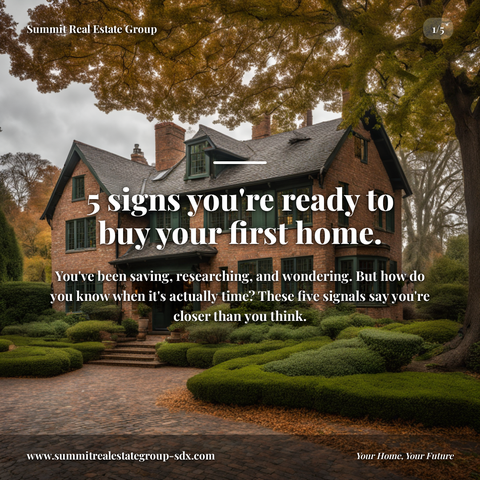
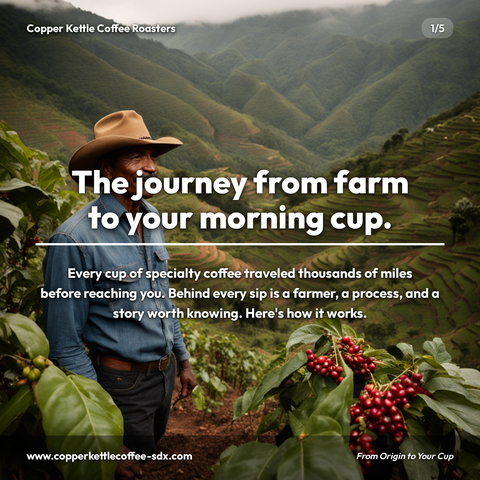





Carousels
5-slide branded PDF, ready to post on LinkedIn and social media.
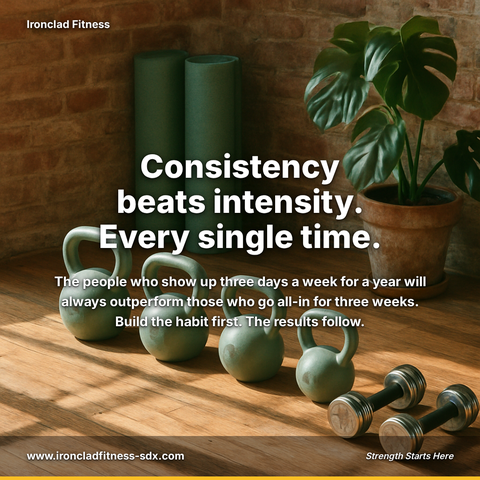
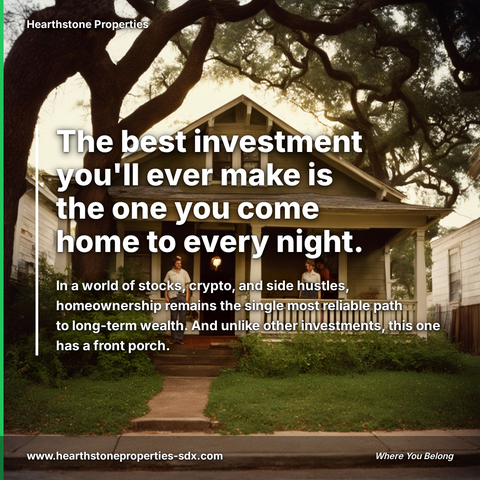
Branded Graphics
Single eye-catching image with your brand colors and message.
Text Posts
Thought leadership copy, ready to paste and publish.
What is Residential Interior Designers social media content?
Social media content for Residential Interior Designers refers to strategically crafted posts that showcase design expertise, project transformations, and professional processes across platforms like LinkedIn. This matters significantly for your practice because LinkedIn carousels survive a second reading in a way a single graphic does not, directly building relationships with luxury clients and developer partners while establishing your authority in the residential design market. Effective content includes before-and-after carousel posts featuring anonymized project transformations with design decision explanations, material palette graphics demonstrating color theory and durability considerations for different spaces, and client discovery documentation that reveals your systematic approach to identifying style preferences, lifestyle needs, and budget priorities. This transparency builds trust and attracts high-value clients who appreciate your methodology. Rather than spending hours creating individual posts, Zvario generates this content in under 2 minutes from a single topic, enabling you to maintain consistent LinkedIn presence without sacrificing billable design time.
High-Net-Worth Design Clients Are on LinkedIn
The executives, entrepreneurs, and professionals who invest in luxury residential interior design are LinkedIn professionals. Content that demonstrates your design philosophy, material knowledge, and project transformation perspective reaches this demographic where they spend professional time — building the familiarity that leads to design consultations when renovation and new construction projects arise. By establishing thought leadership around residential design strategy, you become the designer clients actively seek out rather than one they discover by chance.
Developer and Architect Relationships Drive Recurring Project Volume
Real estate developers, custom home builders, and architects who need interior design partners for projects they're delivering are LinkedIn users who build professional networks deliberately. Interior designers who publish content demonstrating project type expertise—whether full home builds, multifamily penthouses, or renovation-focused work—build the B2B relationships that generate consistent project introductions. Architects particularly value collaborators who understand spatial planning constraints and can communicate design intent clearly, making your collaborative process worth documenting publicly.
Establish Authority Through Design Process Transparency
Residential interior designers build credibility by explaining the thinking behind decisions, not just showing finished aesthetics. Content about your client discovery methodology, how you approach space planning challenges, or your criteria for material selection demonstrates professional depth that attracts serious clients and referral partners. When you articulate why certain design choices matter—durability considerations, lifestyle integration, lighting strategy—you position yourself as a strategic partner rather than a decorator, which commands higher budgets and more complex projects.
Visual Storytelling That Protects Client Privacy
Residential design is inherently visual, but client confidentiality is paramount in high-end markets. LinkedIn carousels work exceptionally well for showcasing material palettes, room transformations with anonymized client details, before-and-after sequences, and design principle applications across different project types. You can document your process—mood boards, finishes specifications, spatial layouts—and share completed work details with client permission, building a portfolio-quality feed without exposing private residences. This approach allows you to demonstrate range and capability while respecting the discretion your clientele expects.
Differentiation Through Niche Expertise and Specialization
Interior designers who specialize—whether in sustainable materials, multigenerational family homes, or ultra-modern minimalism—attract ideal clients more efficiently than generalists. Publishing content specific to your niche, whether it's explaining why natural fiber selections matter for active families or how to design spaces that age in place, builds recognition within the market segment most likely to hire you at premium rates. This also attracts referral partners in complementary specializations: architects who design for specific demographics, contractors who handle your preferred material specifications, and real estate agents who represent your target clientele.
What you can create for Residential Interior Designers
- Before-and-after carousel posts with anonymized project transformations and design decision explanations
- Material palette and finish specification graphics showing color theory and durability considerations for different spaces
- Client discovery process documentation posts explaining how you identify style preferences, lifestyle needs, and budget priorities
- Design principle application posts demonstrating how timeless concepts like proportion, balance, and circulation planning inform your work
- Project type expertise posts (new construction, renovation, small-space optimization) with methodology and common challenges addressed
- Trend-versus-timeless content examining design movements and explaining which elements will age well in residential spaces
- Case study posts focused on specific room types (primary suites, kitchens, home offices) showing your approach and results
- Collaboration posts highlighting how you partner with architects, builders, and specialists to deliver integrated design solutions
Sample topics to get started
Frequently asked questions
How do I show my best work when clients expect privacy?
Focus your Zvario content on anonymized transformations, material selections, design processes, and before-and-afters without identifying client spaces. Share documented methodology—your discovery process, spatial planning approach, specification strategy—which demonstrates expertise without requiring client identification. With explicit permission, named case studies become even more powerful and can be featured as your strongest content pieces.
Is text-based content effective for a visual discipline like interior design?
Yes—text content explaining your design thinking makes visual work far more memorable and credible. LinkedIn carousels combining images with design rationale, material specifications, or process documentation perform exceptionally well. The text transforms pretty pictures into evidence of expertise, which is what architects, builders, and serious clients actually evaluate when making hiring decisions.
How often should I post to stay visible to architects and builders who might refer work?
Consistency matters more than frequency. Publishing 1-2 substantial posts per week—carousels, case studies, or process documentation—keeps you visible in your network's feed while allowing time for quality content creation. Zvario's tailoring features let you ensure your content reaches the right professional segments, so your effort reaches developers, architects, and high-net-worth prospects rather than a generic audience.
What content types convert best for attracting design consultation inquiries?
Project transformation carousels with clear before-and-after sequences and process explanations generate the most engagement from prospects evaluating designers. Client discovery methodology posts attract serious buyers ready to invest. Material and finish education posts establish authority with architects and builders. Zvario allows you to track which content types generate inquiries specific to your specialization, so you can double down on what actually converts for your practice.
How do I differentiate myself when there are many designers in my market?
Document your specific expertise, process, and philosophy consistently. Post about the project types you do best, the client demographics you understand deeply, your material sourcing approach, or your design principles. This niche positioning attracts ideal clients and referral partners more efficiently than generalist content. Zvario's content planning tools help you develop a cohesive narrative around your specialization, so your feed communicates clear differentiation over time.
How much does branded social media content cost with Zvario?
Zvario is free to start with 5 creations and no credit card. Starter is $19.95 a month for up to 80 creations a week, and Pro is $39.99 a month for up to 130 plus one-click posting to your connected accounts. There are no per-piece design fees, so cost stays predictable as you post more.
How long does it take to make one branded post?
About a minute of your time. You enter a topic, Zvario returns a finished branded carousel, graphic, or post, and you review and publish. No design tool, no template hunting.
Explore More
Build your interior design practice on LinkedIn
Try it free — no credit card needed.
Start FreeFree to start. See plans and pricing