
LinkedIn Content for E-Commerce Brands
LinkedIn content that builds your e-commerce brand's authority and opens B2B partnership and distribution opportunities.
Start FreeFree to start. See plans and pricing
See what Zvario creates
Branded carousels, graphics, and posts, tailored to your message.

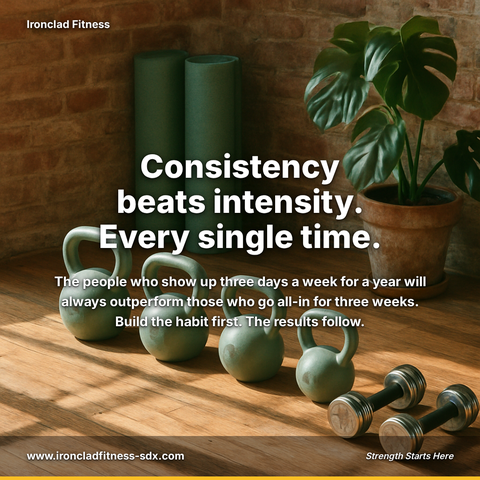
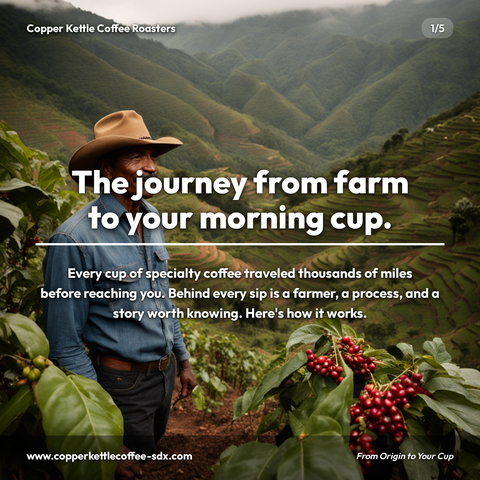
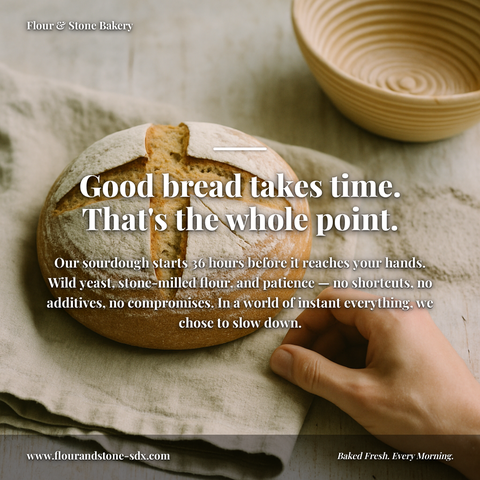

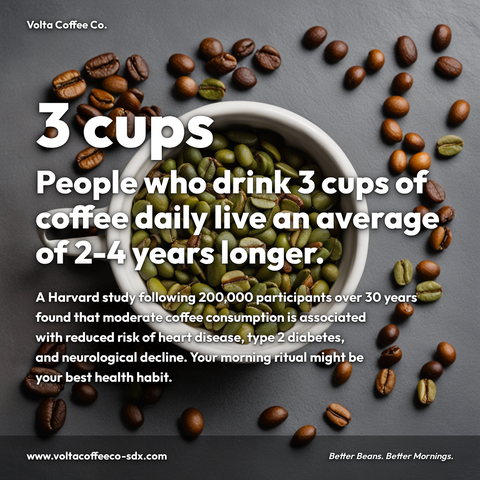

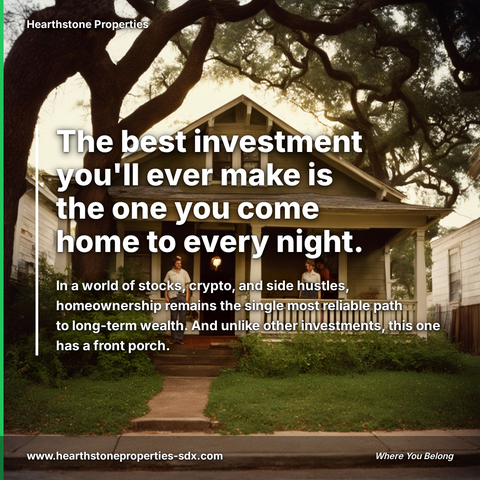
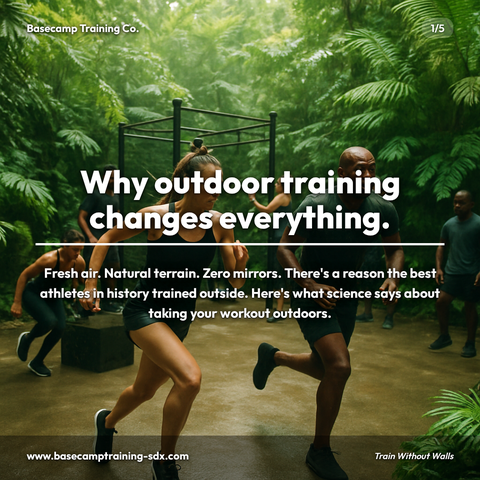
Carousels
5-slide branded PDF, ready to post on LinkedIn and social media.
Branded Graphics
Single eye-catching image with your brand colors and message.
Text Posts
Thought leadership copy, ready to paste and publish.
What is E-Commerce Brands social media content?
Social media content for E-Commerce Brands refers to strategic LinkedIn posts, carousels, and graphics designed to establish authority, attract B2B partnership opportunities, and showcase data-driven insights that resonate with wholesale buyers and distribution partners. This matters because e-commerce professionals need to demonstrate expertise in unit economics, customer retention, and acquisition efficiency to transition from DTC to wholesale channels and secure lucrative partnerships. High-performing content in this space focuses on concrete frameworks, like monthly CAC benchmarking snapshots, customer LTV cohort analysis, and case studies documenting lessons learned during scaling phases. LinkedIn carousels leave a reader with something worth keeping, making visual data breakdowns essential for visibility among decision-makers. Zvario specializes in generating this caliber of authority-building content by transforming your e-commerce metrics and strategies into compelling, professional-grade posts that attract the right partners. Zvario generates this content in under 2 minutes from a single topic, enabling you to maintain consistent visibility without sacrificing quality or strategic focus.
E-Commerce Brands Need B2B Visibility That DTC Marketing Doesn't Create
While DTC e-commerce marketing reaches consumers on Instagram and TikTok, LinkedIn reaches the retail buyers, wholesale distributors, strategic partners, and investors who determine whether an e-commerce brand becomes a scalable business. LinkedIn content that demonstrates your brand's market position, customer economics, and category expertise builds the B2B relationships that open wholesale, partnership, and investment opportunities. For brands looking to expand beyond direct-to-consumer channels, B2B visibility on LinkedIn is the difference between staying flat and achieving institutional growth.
Build Credibility Through Commerce Operations and Growth Insights
E-commerce founders and operators who publish authentic content about unit economics, customer acquisition strategy, and fulfillment challenges establish themselves as serious business operators, not just marketers. Retail buyers and wholesale partners evaluate brands based on operational maturity and market understanding—content that honestly addresses LTV calculations, CAC optimization, and retention mechanics signals the kind of disciplined business partner they want to work with. Zvario's content tools help you package these insights into carousel posts and narrative threads that demonstrate both your category expertise and your willingness to share how you think about scaling.
Attract Strategic Partnerships and Service Ecosystem Partners
The 3PL providers, payment processors, marketing agencies, inventory software companies, and logistics platforms that power e-commerce growth actively search LinkedIn for brand partners and potential clients. E-commerce operators who publish consistent strategy content become visible in these networks and attract inbound partnership inquiries from vendors who already understand your business model. This visibility creates a flywheel where your content attracts partners who improve operations, which generates more credible content, which attracts better partners.
Open Wholesale and B2B Sales Channels Through Founder Authority
Retail buyers and wholesale distributors use LinkedIn to research potential brand partners before agreeing to stock products or negotiate wholesale terms. Founder-led content that covers category trends, customer demand patterns, and brand positioning creates a due diligence advantage—wholesale partners see proof of category expertise and operational thinking before the first sales conversation. This shifts negotiations in your favor because you've already demonstrated that you understand their business and the market.
Attract Investor Interest by Documenting Business Metrics and Growth Narrative
Early-stage and growth-stage e-commerce investors use LinkedIn to source investment opportunities and evaluate founder quality alongside business fundamentals. Founders who publish thoughtfully about their business metrics, market expansion milestones, and strategic decision-making become visible to investors researching their category. This isn't about pitching—it's about creating a public record of your business thinking and growth trajectory that investors can reference during due diligence and that shortens the time-to-first-conversation for capital conversations.
What you can create for E-Commerce Brands
- DTC-to-wholesale transition case studies and lessons learned carousels
- Customer LTV and cohort retention analysis graphics with actual framework breakdowns
- Monthly CAC benchmarking and paid acquisition efficiency snapshots for your category
- Founder narratives on inventory planning, markdown strategies, and working capital cycles
- Unit economics deep dives showing product category profitability and gross margin trends
- Supply chain and fulfillment optimization threads documenting operational improvements
- Customer feedback synthesis posts showing how product feedback drives roadmap decisions
- Category trend analysis and market positioning posts aimed at wholesale and retail buyers
Sample topics to get started
Frequently asked questions
E-commerce brands compete primarily on consumer channels—why LinkedIn?
LinkedIn reaches the B2B dimension of e-commerce success: retail buyers, wholesale partners, investors, agency partners, and platform vendors who collectively determine scalability. DTC marketing reaches customers; LinkedIn reaches the business ecosystem around them. Zvario helps you create the strategic content that resonates with these audiences without requiring separate content calendars.
Should we post from the brand account or founder account on LinkedIn?
Founder accounts consistently outperform brand pages on LinkedIn. For e-commerce brands, founder personal branding on LinkedIn builds the authentic story and business relationships that brand pages can't replicate. Zvario's content tools support both founder-led and brand account publishing, so you can maintain consistent voice while leveraging the founder's network and credibility.
What kind of e-commerce content actually drives B2B partnership inquiries?
Content that addresses operational challenges, metrics transparency, and category expertise attracts service partners and wholesale buyers. Posts about unit economics, CAC strategies, inventory management, and growth milestones signal that you're a serious operator worth partnering with. Zvario's templates and analytics help you identify which operational topics resonate with your target B2B audience so you can refine your focus.
How often should an e-commerce brand post on LinkedIn to stay visible to investors and partners?
Consistency matters more than frequency. Publishing 2-3 substantive posts per week creates enough visibility for investors and partners to see your business trajectory without requiring a massive content operation. Zvario's content calendar and scheduling features help e-commerce founders maintain cadence without daily manual posting, making it realistic to balance LinkedIn content alongside operational demands.
Can Zvario help tailor content for different B2B audiences—wholesale buyers vs. investors vs. agencies?
Yes. Zvario's content customization features let you create variations of your core insights for different audiences without starting from scratch. You can adapt the same business story—your unit economics, growth strategy, or operational improvement—into messaging that resonates with retail buyers, capital partners, and service providers, maximizing the ROI of your content effort.
How much does branded social media content cost with Zvario?
Zvario is free to start with 5 creations and no credit card. Starter is $19.95 a month for up to 80 creations a week, and Pro is $39.99 a month for up to 130 plus one-click posting to your connected accounts. There are no per-piece design fees, so cost stays predictable as you post more.
How long does it take to make one branded post?
About a minute of your time. You enter a topic, Zvario returns a finished branded carousel, graphic, or post, and you review and publish. No design tool, no template hunting.
Explore More
Build your e-commerce brand's LinkedIn presence
Try it free — no credit card needed.
Start FreeFree to start. See plans and pricing