
LinkedIn Content for Data Scientists
LinkedIn content that builds your data science reputation and opens doors to senior IC roles, leadership, and consulting opportunities.
Start FreeFree to start. See plans and pricing
See what Zvario creates
Branded carousels, graphics, and posts, tailored to your message.


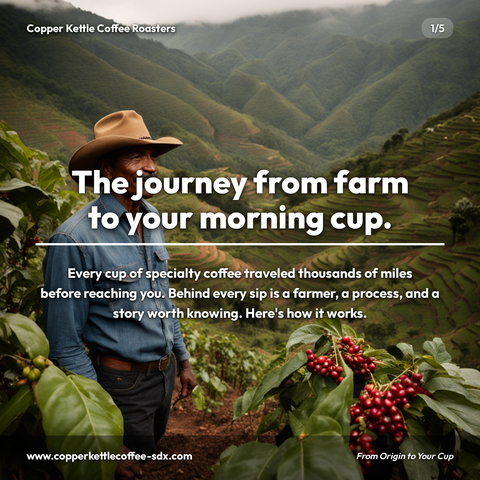


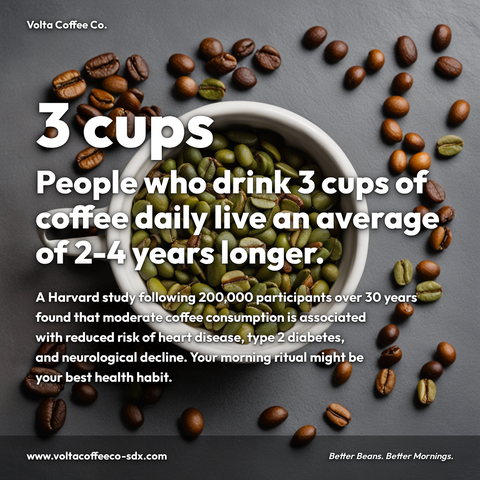


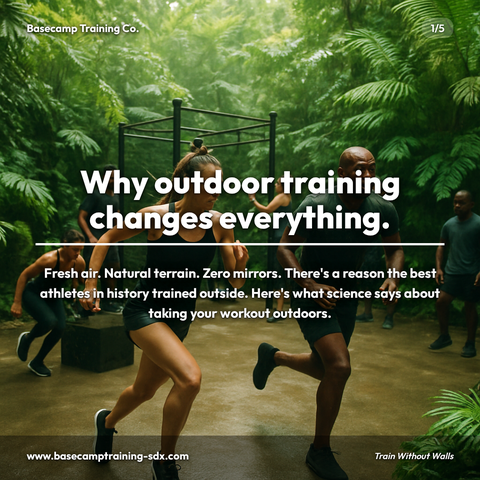
Carousels
5-slide branded PDF, ready to post on LinkedIn and social media.
Branded Graphics
Single eye-catching image with your brand colors and message.
Text Posts
Thought leadership copy, ready to paste and publish.
What is Data Scientists social media content?
Social media content for Data Scientists refers to LinkedIn posts, carousels, and graphics that showcase technical expertise in machine learning, feature engineering, model optimization, and production ML challenges. This matters for your career because hiring managers and consulting clients evaluate your technical depth and real-world problem-solving ability through your public content, positioning you for senior IC roles, leadership opportunities, and high-value consulting engagements. LinkedIn carousels break a dense subject into slides a reader can actually finish, making visual breakdowns of dimensionality reduction techniques, model performance trade-offs, and production monitoring strategies particularly effective for building authority. Content that demonstrates how you've solved data drift detection, optimized accuracy versus latency trade-offs, or managed retraining schedules proves you understand end-to-end ML systems, not just algorithms. Rather than spending hours designing graphics or writing technical explanations from scratch, Zvario generates publication-ready Data Scientists content in under 2 minutes from a single topic, allowing you to maintain consistent visibility without sacrificing your technical work.
Data Science Is Competitive — Visible Expertise Differentiates
The data science job market is crowded with technically proficient candidates. The data scientists who command premium salaries and attract the best opportunities are those who build visible expertise — publishing on methodology, sharing learnings, and engaging with the data science community in ways that demonstrate depth beyond what a portfolio of notebooks can show. Without consistent visibility, even exceptional work remains invisible to recruiters, hiring managers, and potential collaborators who could accelerate your career.
Business-Oriented Data Science Content Attracts Career-Advancing Opportunities
Data scientists who bridge technical depth with business impact — communicating ML value in terms of revenue, efficiency, and risk — advance into senior IC, staff, and leadership roles faster. Posts that demonstrate your ability to translate model performance into stakeholder outcomes, reduce inference latency to cut infrastructure costs, or design experiments that drive product decisions signal executive-level thinking. This visibility attracts exactly the opportunities that define senior career progression.
Teaching Technical Concepts Builds Credibility with Decision-Makers
Creating content around feature engineering decisions, hyperparameter tuning trade-offs, or model validation frameworks establishes you as someone who thinks deeply about data science fundamentals. When hiring managers and peers see you explaining why you chose XGBoost over neural networks for a specific problem, or breaking down cross-validation strategies, they recognize technical rigor. This credibility translates into better roles, consulting opportunities, and invitations to speaking engagements.
Networking with the Data Science Community Unlocks Hidden Opportunities
The most valuable career moves — job offers, partnership opportunities, and knowledge-sharing relationships — often come from within professional networks rather than formal job boards. Engaging thoughtfully with other data scientists' content, sharing your own learnings, and participating in industry conversations builds relationships that lead to direct opportunities. A consistent presence creates a network effect where opportunities find you.
Strategic Content Positioning Positions You for Specialization and Leadership
Data scientists who focus their content around specific domains — recommendation systems, time-series forecasting, causal inference, or computer vision — become known as specialists in those areas. This positioning attracts roles tailored to your expertise, commands higher compensation, and opens doors to technical leadership where you guide teams in your area of specialization. Consistency and focus turn visibility into recognized authority.
What you can create for Data Scientists
- Feature engineering methodology carousels: step-by-step breakdowns of dimensionality reduction techniques, polynomial feature generation, and domain-specific feature creation strategies
- Model performance trade-off graphics: visual comparisons of accuracy vs. inference latency, AUC vs. calibration, or training time vs. generalization with business context
- Production ML challenges posts: discussing data drift detection, concept drift handling, retraining schedules, and monitoring strategies from your actual projects
- Hyperparameter optimization insights: tuning approaches for different model families, Bayesian optimization workflows, and why certain parameters matter in specific industries
- Experiment design and statistical testing: A/B testing frameworks, power analysis calculations, and how to design experiments for business decision-making
- MLOps and model deployment case studies: CI/CD pipelines for ML, model versioning, feature stores, and containerization lessons learned
- Industry-specific application breakdowns: how classification, regression, clustering, or NLP solve problems in healthcare, finance, e-commerce, or operations
- Career progression and skill development: insights on transitioning from analyst to data scientist, building management skills, or moving toward AI/ML engineering roles
Sample topics to get started
Frequently asked questions
How do I share proprietary work without violating confidentiality agreements?
Focus on methodology, general techniques, and publicly available datasets rather than model details, client names, or proprietary data. You can discuss your approach to feature engineering, model selection framework, or lessons learned without exposing confidential information. Zvario's content format makes it natural to frame posts around 'how I think' rather than 'what I built for company X.'
Should my content be highly technical or more business-focused?
A mix is most effective. Technical content establishes credibility with peers, hiring managers, and other data scientists. Business-focused content showing ML impact attracts senior roles and leadership opportunities. Use Zvario's carousel and graphics formats to lead with business impact, then dive into technical depth for different audience segments.
How often should I post to stay visible without overwhelming my network?
Consistency matters more than frequency. Posting 2-4 times per month with high-quality insights outperforms sporadic posting. Zvario's templated formats help you create polished content efficiently, making it easier to maintain a sustainable posting schedule that keeps you visible without excessive time investment.
What if I work in a niche area of data science — will anyone care?
Specialization is an asset. Data scientists focused on specific domains like recommendation systems, time-series forecasting, or causal inference build authority faster and attract higher-paying opportunities in those niches. Even niche content builds a targeted audience of the right people — recruiters, peers, and potential collaborators in your specialty.
Can I repurpose internal presentations and documentation as LinkedIn content?
Absolutely. Internal decks on methodology, decision frameworks, or lessons learned can be adapted into Zvario carousels or graphics. This approach lets you create polished, professional content without starting from scratch, and positions internal work you've already done as valuable community knowledge.
How can I post consistently without a design background?
Enter a topic and Zvario returns finished, branded content you can post as is. Consistency stops depending on design skill or free time, which is the usual reason posting slips.
What does it cost to get started?
Zvario is free for your first 5 creations with no credit card. Starter is then $19.95 a month for up to 80 creations a week, and Pro is $39.99 a month for up to 130 plus one-click posting. You can prove it works on real content before paying.
Explore More
Build your data science career on LinkedIn
Try it free — no credit card needed.
Start FreeFree to start. See plans and pricing