
LinkedIn Content Strategy for Startups
LinkedIn content that builds early customer trust and investor awareness when you can't afford to get marketing wrong.
Start FreeFree to start. See plans and pricing
See what Zvario creates
Branded carousels, graphics, and posts, tailored to your message.


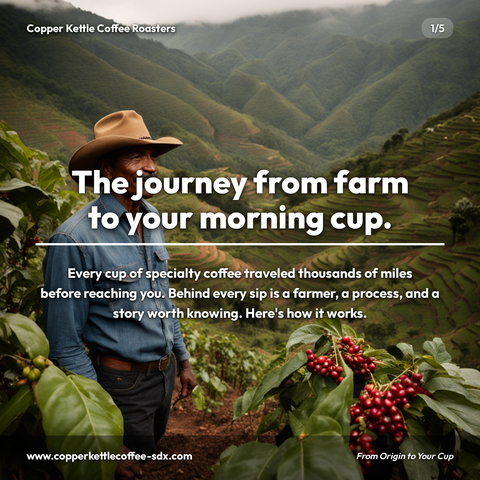





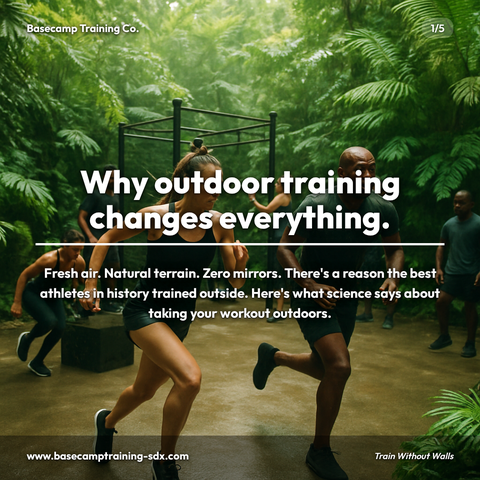
Carousels
5-slide branded PDF, ready to post on LinkedIn and social media.
Branded Graphics
Single eye-catching image with your brand colors and message.
Text Posts
Thought leadership copy, ready to paste and publish.
What is Content Strategy for Startups social media content?
Social media content for Content Strategy for Startups refers to strategically crafted LinkedIn posts that demonstrate founder expertise, validate market problems, and showcase product-market fit through authentic storytelling and data-driven insights. For early-stage founders and startup marketers, this approach matters because it builds investor credibility and customer trust simultaneously, critical assets when bootstrap budgets demand every piece of content perform double duty. Problem-validation carousels featuring customer interview insights carry a full argument in one post rather than a single frame, making them ideal for establishing authority without paid amplification. Content Strategy for Startups social media includes founder narratives about company origins, product development posts highlighting real customer feedback loops, and market research breakdowns that position your startup as thoughtful and customer-centric. Rather than generic motivational content, this strategy focuses on transparency and validation, showing investors and potential customers that your decisions are grounded in evidence. Zvario streamlines this process by generating polished, engagement-ready LinkedIn posts in under 2 minutes from a single topic.
Early-Stage Startups Win Customers Through Founder Credibility
When a startup has no brand recognition, no case studies, and no market presence, the founder's LinkedIn content is the product's credibility. Investors, early customers, and strategic partners evaluate early-stage companies through the founders' professional visibility, communication quality, and market insight. LinkedIn content is the fastest way to establish the credibility that no pitch deck can create alone.
Content Marketing Is the Only Marketing Channel That Compounds for Startups
Paid acquisition costs money every month for every customer it generates. Content marketing builds an asset that compounds — each post adds to a body of work that generates discovery, trust, and inbound inquiries indefinitely. For capital-efficient startups, LinkedIn content is the highest-ROI marketing investment available. Unlike ads that stop working the moment you stop paying, a well-crafted post about your market insight or product thinking can generate qualified leads for months or years.
Positioning and Category Definition Drive Early Adoption
Startups often compete in crowded markets without clear market differentiation. Content strategy for early-stage companies should focus on defining or owning a market category — showing customers that the problem itself is worth solving before proving your solution is best. Founders who publish thought leadership on market gaps, industry assumptions, and emerging trends position their company as a category leader rather than a me-too competitor. This approach attracts customers who are already convinced the problem matters.
Authentic Founder Storytelling Builds Sustainable Audience Trust
Startup founders have a unique advantage: authenticity. Publishing content about the founding journey, early customer conversations, product pivots, and lessons learned creates a narrative that resonates with early adopters, fellow founders, and investors. This storytelling approach transforms the founder from a salesperson into a thought leader whose perspective people follow for insight. Consistent, honest storytelling builds an audience that trusts the founder's vision and becomes an organic advocate for the company.
Strategic Distribution and Audience Segmentation Accelerate Growth
Content created for startups must reach three distinct audiences: potential customers, potential investors, and strategic partners or integration opportunities. A single piece of content — like a carousel about market research or a detailed post about product thinking — can be adapted and distributed across different formats and messaging angles to speak to each segment. Startups that segment their content strategy by audience outcome generate significantly more qualified inbound leads and partnership inquiries than those using a one-size-fits-all approach.
What you can create
- Problem-validation carousels with customer interview insights and market research data
- Product development and feature prioritization posts showing real customer feedback loops
- Founder journey narratives about the founding story and decision to start the company
- Market category and positioning content challenging industry assumptions in your space
- Customer case study posts highlighting early wins and measurable business outcomes
- Competitive differentiation graphics explaining what makes your approach unique
- Industry trend analysis and thought leadership on emerging problems in your vertical
- Build-in-public updates showing MVP development, launch milestones, and honest challenges
Sample topics to get started
Frequently asked questions
When should a startup start LinkedIn content marketing?
Day one. The earlier you start building an audience and professional presence, the more compounded the impact when you reach growth stages. Waiting until you have product-market fit means competing for attention without the head start that early content provides. Tools like Zvario help you plan and maintain consistent posting from day one without consuming all your founder time.
Should startup founders or the company account post on LinkedIn?
Founder accounts consistently outperform company accounts in engagement and reach. Focus LinkedIn content on the founder(s) during early stages; add company page amplification as the team grows. Zvario makes it easy to schedule and coordinate founder posts while maintaining your authentic voice.
How often should early-stage founders post on LinkedIn?
Consistency matters more than frequency. 2-3 posts per week builds momentum without overwhelming your schedule. The key is maintaining a sustainable cadence that you can keep up during high-growth periods. Zvario's content calendar and scheduling features help founders batch-create and schedule posts in advance, removing the daily posting friction.
What metrics should startups track for content strategy ROI?
Track audience growth rate, engagement rate on posts about your core market, inbound inquiry volume from LinkedIn, and customer acquisition source attribution. Early-stage metrics are qualitative (quality of inbound conversations) before they're quantitative. Zvario provides analytics dashboards that help you understand which content topics and formats drive actual business conversations, not just vanity metrics.
How do we ensure our content strategy stays authentic while remaining professional?
The most effective startup content shows both wins and honest challenges. Share real learnings from customer conversations, discuss product decisions and tradeoffs, and be transparent about your market positioning. Authenticity doesn't mean oversharing; it means being genuinely transparent about your thinking. Zvario's content templates and brand voice tools help you maintain consistency while preserving the authentic founder perspective that makes early-stage content compelling.
What is the fastest way to create content on this topic?
Enter the topic and Zvario returns a finished, branded carousel, graphic, or post in about a minute. You review, adjust wording if you want, and publish.
Is there a free way to try it?
Yes. Zvario gives you 5 free creations with no credit card. Ongoing use is $19.95 a month on Starter for up to 80 creations a week, or $39.99 a month on Pro for up to 130 plus one-click posting.
Explore More
Build your startup's LinkedIn presence
Try it free — no credit card needed.
Start FreeFree to start. See plans and pricing