
LinkedIn Content for CleanTech Companies
Generate LinkedIn content that builds investor credibility and enterprise buyer trust for your cleantech or sustainability technology company.
Start FreeFree to start. See plans and pricing
See what Zvario creates
Branded carousels, graphics, and posts, tailored to your message.


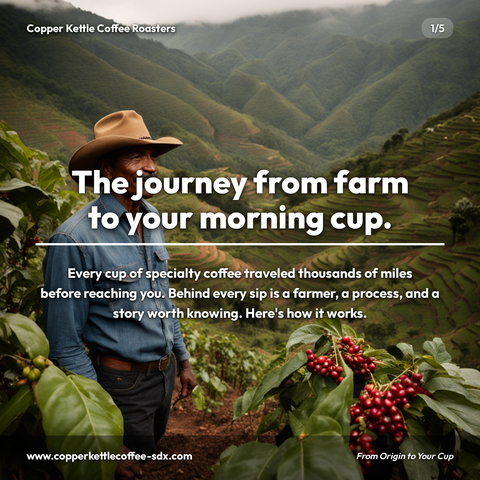






Carousels
5-slide branded PDF, ready to post on LinkedIn and social media.
Branded Graphics
Single eye-catching image with your brand colors and message.
Text Posts
Thought leadership copy, ready to paste and publish.
What is CleanTech Companies social media content?
Social media content for CleanTech Companies refers to strategically crafted LinkedIn posts, carousels, and visual explainers designed to demonstrate technical expertise and build credibility with institutional investors and enterprise buyers evaluating sustainability solutions. This matters deeply for cleantech professionals because investors and procurement teams rely on transparent, data-driven content to validate technology claims, compare solutions, and justify budget allocations, making authority-building content essential for closing deals and securing funding. High-performing cleantech content typically includes LCOE comparison carousels showing levelized cost of energy across technologies, IRA tax credit eligibility guides breaking down Section 45Q and 45V qualifications, and Scope 1, 2, and 3 emissions educational pieces that help procurement teams understand supply chain impact. LinkedIn carousels hold attention across several slides where a single image gets one glance, making visual storytelling critical for this audience. Creating this content consistently has traditionally required significant time investment from in-house teams. Zvario generates this content in under 2 minutes from a single topic.
Sustainability claims require substance
Corporate buyers and institutional investors are increasingly skeptical of ESG-adjacent marketing. LinkedIn content that grounds sustainability claims in measurable outcomes—carbon reduction data, lifecycle analysis, third-party certifications, MWh generated, tons of CO2 avoided—builds the credibility that separates genuine CleanTech from greenwashing. The companies winning deals are those demonstrating impact through concrete metrics, not aspirational language.
Policy and regulation create content opportunities
IRA tax credit eligibility, SEC climate disclosure rules, state renewable portfolio standards, and carbon pricing mechanisms evolve constantly. CleanTech companies that publish timely, accurate analysis of these regulatory shifts position themselves as trusted advisors to procurement teams and sustainability officers navigating complex compliance landscapes. This content becomes a flywheel for inbound leads from companies trying to understand how new rules affect their capital allocation.
Thought leadership attracts institutional capital
Impact investors, venture debt providers, and strategic corporate venture arms actively research CleanTech founders and technical teams on LinkedIn. Consistent visibility through founder insights on emerging technologies, supply chain decarbonization challenges, and market adoption barriers builds the credibility needed to attract both investor outreach and partnership conversations. Posts that demonstrate deep domain expertise in areas like grid stability, hydrogen economics, or circular economy models resonate with sophisticated financial audiences.
Technical audiences demand specificity
Energy engineers, sustainability consultants, and procurement specialists need actual technical depth—efficiency ratings, LCOE comparisons, compatibility details with existing infrastructure. Content that bridges business impact with technical accuracy (not oversimplified explainers) positions CleanTech companies as credible partners capable of solving real implementation challenges. This specificity is what separates content that generates qualified leads from content that merely generates vanity metrics.
Investor milestones and customer proof points drive pipeline
Funding announcements, customer deployments, third-party certifications, and impact milestones are high-signal moments for pipeline generation. Visual storytelling around these milestones—branded graphics showing deployment locations, carbon impact achieved, or customer segments served—amplifies reach within investor and corporate buyer networks while maintaining consistent brand presence across the platform.
What you can create for CleanTech Companies
- LCOE comparison carousels: Visual breakdowns of levelized cost of energy across different technology types, updated quarterly as market prices shift
- IRA tax credit eligibility guides: Step-by-step visual explainers showing which products qualify for Section 45Q, 45V, or 30D credits and what documentation buyers need
- Scope 1, 2, and 3 emissions breakdowns: Educational content helping procurement teams understand which emission categories their supply chain actually impacts
- Customer deployment case studies: Before/after graphics showing energy consumption reduction, carbon avoidance, and payback period for specific customer implementations
- Policy impact analysis posts: Deep-dive threads analyzing how new state climate legislation or federal regulations change market dynamics for specific technologies
- Supply chain decarbonization benchmarks: Data visualizations comparing embodied carbon, manufacturing emissions, and lifecycle impacts across competitor solutions
- Founder insights on technology roadmaps: Executive perspectives on near-term innovation priorities, technical bottlenecks being solved, and 3-5 year market outlook
- Impact milestone announcements: Branded graphics celebrating gigawatt hours generated, tons of CO2 avoided, or new geographic market entries with supporting data
Sample topics to get started
Frequently asked questions
How should CleanTech companies use Zvario to build credibility with investors?
Zvario's brand templates let you present funding milestones, impact metrics, and technical achievements with consistent visual polish—essential for capturing investor attention in crowded LinkedIn feeds. By scheduling regular milestone updates with investor-specific language, you maintain visibility within your target capital networks without appearing overly promotional.
What type of content should CleanTech founders prioritize on LinkedIn?
Prioritize content that demonstrates domain expertise and market insight: regulatory analysis, technology comparisons, supply chain perspectives, and customer impact stories. Zvario helps you repurpose technical whitepapers and deployment data into digestible carousel posts and graphics that reach both technical audiences and decision-makers simultaneously.
How do CleanTech companies avoid greenwashing accusations in their content?
Ground every sustainability claim in specific, verifiable metrics: third-party certifications, independent audits, lifecycle analysis data, and quantified impact (MWh, tons CO2 avoided, energy savings %). Zvario's content planning tools help you batch-create claims-backed content where metrics are front and center, and consistently acknowledge technical limitations or tradeoffs your technology currently faces.
Who is the primary LinkedIn audience for CleanTech companies?
Chief Sustainability Officers, ESG investment analysts, corporate procurement leaders, energy engineers, policy-focused investors, and venture capital firms tracking climate tech. Zvario helps you tailor messaging to these distinct audiences—policy content for regulatory professionals, technical deep-dives for engineers, investor updates for capital allocators—all from a single platform.
How often should CleanTech companies post about policy changes and regulations?
Post whenever major regulatory shifts occur (IRA updates, SEC disclosure rules, state carbon standards)—typically 2-4 times monthly depending on your policy focus. Zvario's content calendar helps you batch-plan policy analysis posts so you can move quickly when regulation changes, positioning your team as an informed resource before competitors respond.
How much does branded social media content cost with Zvario?
Zvario is free to start with 5 creations and no credit card. Starter is $19.95 a month for up to 80 creations a week, and Pro is $39.99 a month for up to 130 plus one-click posting to your connected accounts. There are no per-piece design fees, so cost stays predictable as you post more.
How long does it take to make one branded post?
About a minute of your time. You enter a topic, Zvario returns a finished branded carousel, graphic, or post, and you review and publish. No design tool, no template hunting.
Explore More
Build your CleanTech brand on LinkedIn
Try it free — no credit card needed.
Start FreeFree to start. See plans and pricing